
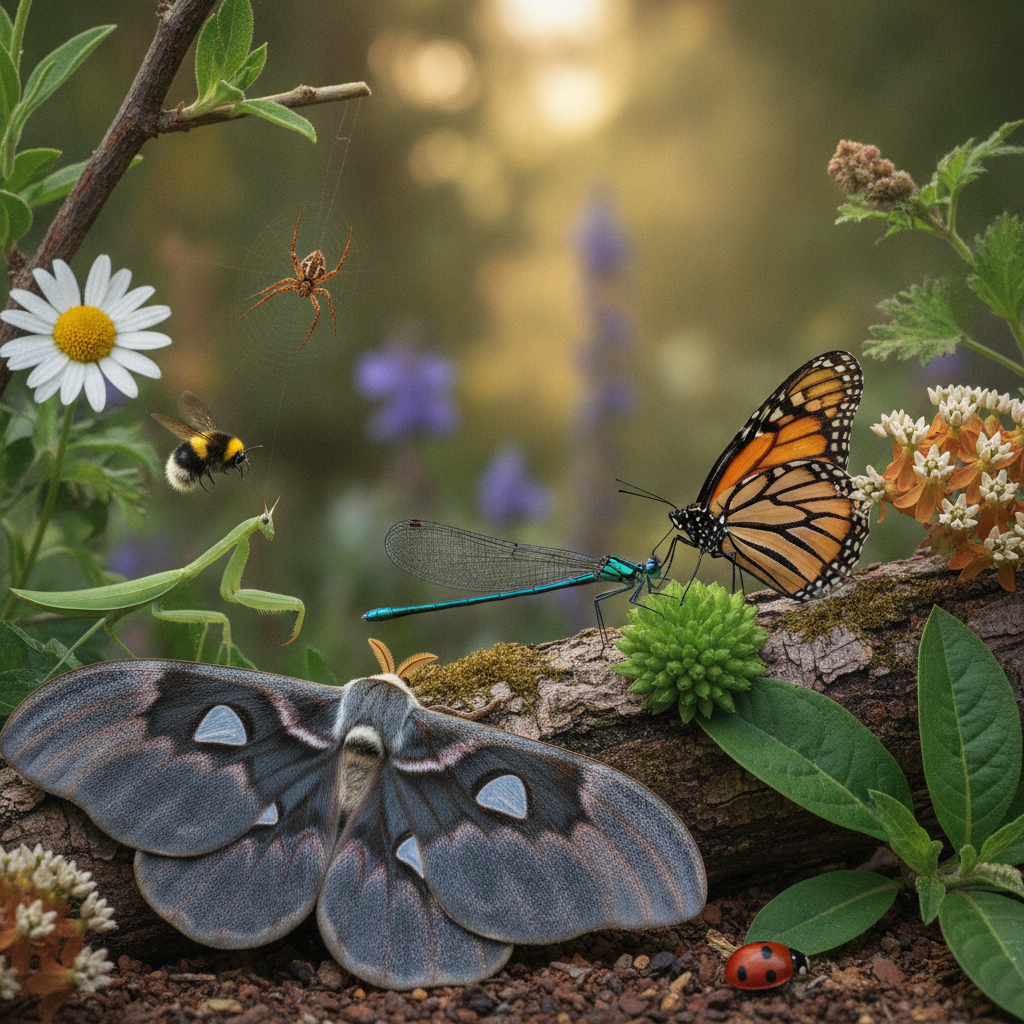
Why Picture-Based Bug Identification Works
Bug identification by picture has transformed how homeowners, gardeners, and nature enthusiasts interact with the arthropods they encounter daily. Fifteen years of fieldwork across North America taught me that most people already possess the observational skills needed for accurate identification — they simply lack a structured framework for translating what they see into taxonomic language. A photograph freezes the moment, preserves details your memory distorts within minutes, and allows systematic comparison against reference materials and AI-assisted tools.
The power of picture-based identification lies in repeatability. When you photograph a beetle on your porch railing and identify it as a multicolored Asian lady beetle rather than a native convergent lady beetle, that image becomes a permanent reference point. Next season, you recognize the pattern instantly without reopening a field guide. This is exactly how professional entomologists build expertise — through accumulated visual encounters organized by diagnostic features rather than vague impressions of "a brown bug."
Picture identification also democratizes access to expert knowledge. You no longer need a pinned specimen collection or microscope access to reach genus-level accuracy for common species. Modern smartphone cameras capture sufficient detail for distinguishing major insect orders, and AI identification apps trained on millions of verified specimens can suggest species-level matches within seconds. The photograph bridges the gap between casual observation and scientific precision.
However, picture identification demands discipline. Random image searching until you find something that looks vaguely similar produces misidentification more often than accuracy. The systematic approach in this guide prevents that trap by teaching you which features to capture, how to evaluate diagnostic characters, and when to accept uncertainty rather than forcing a wrong answer.
Essential Morphology for Picture ID
Effective bug identification by picture starts with understanding which body parts carry the most taxonomic information. Insect morphology follows predictable patterns across orders, and learning to read these patterns transforms frustrating guesswork into confident classification.
Body segmentation provides your first filter. True insects display three distinct body regions — head, thorax, and abdomen — though these segments fuse or elongate in ways that obscure the pattern in some groups. Spiders and other arachnids have two body regions. Millipedes and centipedes show many repeated segments. Photograph your specimen from above and from the side to reveal segmentation clearly.
Wing structure separates major insect orders faster than any other single feature. Beetles have hardened forewings called elytra covering membranous hindwings. True bugs have forewings that are leathery at the base and membranous at the tips, forming an X pattern when folded. Flies have only one pair of functional wings with small balancing organs called halteres behind them. Butterflies and moths display scaled wings with distinctive venation patterns. Bees and wasps show two pairs of membranous wings with characteristic hooking mechanisms.
Antennae shape narrows possibilities within orders. Beetle antennae vary from short clubs to elaborate feathery structures. Butterfly antennae terminate in clubs. Moth antennae range from feathery in males to threadlike in females. True bug antennae typically have four to five segments and are often long and slender. Fly antennae are short with a bristle-like structure.
Leg adaptations reveal ecological roles. Raptorial forelegs identify praying mantises. Enlarged hind legs indicate jumping insects like grasshoppers and fleas. Paddle-shaped legs suggest aquatic species. Spiny legs often appear on ground-dwelling beetles and harvestmen.
When photographing for identification, capture at least one image showing the full body from above, one lateral view revealing leg and wing structure, and one close-up of the head showing antennae and mouthparts. This three-angle protocol supplies the morphological data that both field guides and AI systems require for reliable results.
Photography Techniques That Improve Accuracy
The difference between a useless snapshot and an identification-quality photograph often comes down to technique rather than equipment. I have identified species from decade-old phone images that followed basic principles, and failed to identify specimens photographed with expensive macro lenses that violated every guideline below.
Lighting matters more than megapixels. Natural diffuse light — overcast skies or open shade — reveals true colors and surface textures without harsh shadows that obscure pattern details. Direct flash creates specular highlights that wash out iridescent beetle surfaces and flatten the subtle color gradients distinguishing similar butterfly species. If you must photograph at night, use a secondary light source angled from the side rather than on-camera flash.
Focus and depth of field require deliberate attention. Insects are three-dimensional objects, and a sharp head with a blurred abdomen misleads identification algorithms and human reviewers alike. Position your camera parallel to the insect's body plane rather than shooting at steep angles. On smartphones, tap to focus on the most diagnostic feature — usually the wing pattern or head structure — and use portrait or macro mode when available.
Scale references transform ambiguous size estimates into useful data. Include a familiar object — a coin, pencil tip, or your fingertip — in one frame. Many identification errors stem from misjudging size: a small click beetle mistaken for a large darkling beetle, or a crane fly confused with a giant mosquito. Scale in the photograph eliminates this error source permanently.
Stability and patience produce sharper images than rushing. Brace your phone against a solid surface or rest your elbows on your knees when photographing ground-level specimens. Wait for the insect to pause rather than chasing active fliers. For skittish species, photograph from a distance first, then slowly approach for detail shots.
Background simplicity helps both human and algorithmic identification. A beetle on plain concrete provides cleaner data than the same beetle on multicolored leaf litter where pattern-matching algorithms struggle to segment the subject from background noise.
Building a Systematic Identification Workflow
Random identification attempts produce random accuracy. Professional entomologists follow workflows that eliminate possibilities systematically, and picture-based identification benefits from the same disciplined approach.
Step one: record context before photographing. Note the date, time of day, geographic location, habitat type, and behavior you observed. A metallic green beetle on a rose bush in June in Ohio suggests a completely different species pool than the same-colored beetle on a rotting log in October in Oregon. Context filters your search space before you examine morphology.
Step two: capture your three-angle image set. Full dorsal view, lateral view, and head close-up. Add a scale reference in at least one frame. If the insect is active, prioritize the dorsal view first — you may not get another chance.
Step three: determine the order. Count wing pairs, examine wing texture, observe antennae shape, and note leg structure. This step alone narrows most backyard encounters to one of six or seven major groups. Document your reasoning: "One pair of wings, short antennae, large compound eyes — Diptera, a fly."
Step four: consult multiple sources. Cross-reference AI identification results with regional field guides, university extension fact sheets, and verified citizen science records from platforms like iNaturalist. Agreement across independent sources increases confidence. Disagreement signals the need for better photographs or expert consultation.
Step five: record your identification with the photograph. Create a simple digital journal — a folder with dated images and species names, or an app that stores identification history. This personal reference library compounds in value with every entry, building pattern recognition that makes future identifications faster and more accurate.
Step six: accept uncertainty gracefully. Not every photograph supports species-level identification, and genus or family level may be the honest answer. "Unknown long-horned beetle, Cerambycidae family" is more useful than a wrong species name that sends you searching for control methods against a harmless native pollinator.
Common Picture ID Mistakes and How to Avoid Them
After reviewing thousands of citizen-submitted photographs in educational programs, I see the same identification errors repeating. Awareness of these pitfalls improves your accuracy immediately.
Mistake one: identifying from color alone. Many unrelated insects share similar colors. Red and black patterns appear in lady beetles, milkweed bugs, boxelder bugs, and fireflies at various life stages. Color is a supporting character, never a primary diagnostic feature. Always combine color with body shape, wing structure, and habitat context.
Mistake two: relying on a single photograph angle. A dorsal view of a brown beetle could represent hundreds of species. Without lateral views showing antennae, leg structure, and body profile, identification confidence should remain low. Return to the specimen if possible, or acknowledge uncertainty.
Mistake three: ignoring geographic range. Apps and online guides sometimes suggest species outside their documented range. A European species appearing in an American identification result warrants skepticism unless you have strong morphological confirmation. Check range maps in regional field guides before accepting surprising results.
Mistake four: confusing life stages. Caterpillars bear little resemblance to adult butterflies. Nymphs differ substantially from adult true bugs. Larval beetles — grubs — look nothing like their adult forms. Ensure your reference material matches the life stage in your photograph.
Mistake five: treating AI results as final authority. Artificial intelligence identification tools are remarkably capable for common species but can confidently present wrong answers. Use AI as a hypothesis generator, not a verdict. Your morphology assessment and cross-referencing determine whether to accept the suggestion.
Mistake six: photographing dead or damaged specimens. Crushed insects, faded pinned specimens, and partial remains lack the diagnostic features present in living animals. Wings folded unnaturally, legs broken off, and color bleached by death all reduce identification accuracy. Photograph living specimens in natural positions whenever possible.
Connecting Identification to Ecological Understanding
Bug identification by picture becomes genuinely meaningful when it connects to ecological roles rather than ending at a name. Knowing you have a soldier beetle rather than a blister beetle changes your response from alarm to appreciation — soldier beetles are beneficial predators of aphids and grasshopper eggs.
Pollinators include bees, butterflies, moths, flower flies, and many beetles. Identifying these species from photographs helps you evaluate garden habitat quality and make planting decisions that support declining pollinator populations.
Decomposers — ground beetles, carrion beetles, dung beetles, and many fly larvae — recycle organic matter and suppress pest populations. Misidentifying these as threats leads to unnecessary pesticide applications that damage soil health.
Predators and parasitoids provide free biological pest control. Lady beetles, lacewings, hover fly larvae, and parasitic wasps all consume pest insects. Picture identification that correctly names these allies prevents the tragic mistake of spraying the insects that were solving your aphid problem.
Pest species genuinely require management — termites, carpenter ants, bed bugs, clothes moths, and stored product beetles among them. Accurate picture identification distinguishes these from the thousands of harmless species that share our homes and gardens, enabling targeted intervention rather than broad-spectrum chemical warfare.
Build the habit of asking "what role does this species play?" after every successful identification. This question transforms picture ID from a parlor trick into ecological literacy that informs how you manage your property and participate in conservation.
Frequently Asked Questions
What is the best way to start bug identification by picture?
Begin with common, distinctive species in your yard — lady beetles, butterflies, grasshoppers, and crane flies. Practice the three-angle photography protocol and order-level classification before attempting difficult groups like small flies or similar-looking beetles.
Can I identify bugs from pictures without any training?
Yes for common species when you use structured workflows and cross-reference multiple sources. Training accelerates accuracy, but the photography and morphology principles in this guide give beginners a strong starting framework immediately.
How accurate is bug identification by picture compared to physical specimens?
Picture identification reaches species-level accuracy for many common insects when photographs are high quality and diagnostic features are visible. Physical specimens examined under magnification remain necessary for cryptic species, microscopic insects, and scientific research requiring definitive confirmation.
What features matter most in bug pictures for identification?
Wing structure, body shape, antennae type, and color pattern together provide the strongest identification signals. Leg adaptations and mouthpart type add confirming detail. Context including habitat, season, and geographic location filters possibilities before morphological analysis.
Which app helps with bug identification by picture?
Insect Identifier uses AI trained on verified specimens to identify insects and spiders from photographs, providing species information, habitat notes, and safety details. Download it free on the App Store for instant field identification support.
Download Insect Identifier Today
Bug identification by picture becomes faster and more accurate when you combine field skills with intelligent technology. Insect Identifier puts expert-level species recognition in your pocket — snap a photo of any bug and receive detailed identification within seconds.
The app covers thousands of species with habitat notes, behavior details, safety information, and identification history you can export as PDF. Save every discovery and build your personal reference library season after season.
Download Insect Identifier on the App Store and start identifying the insects around you today.