
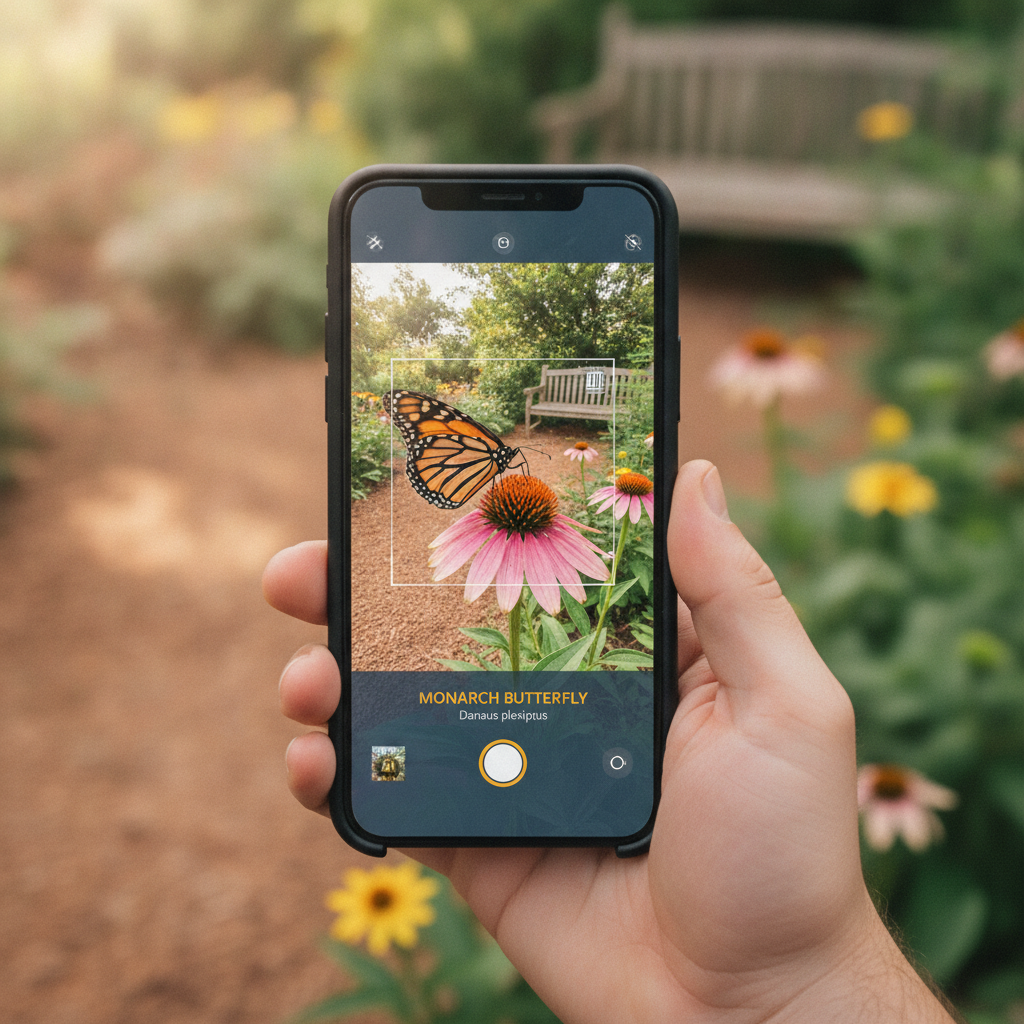
How Photo-Based Bug Identification Transformed Entomology
Fifteen years ago, identifying an unknown insect from a photograph required mailing a specimen to a specialist or posting on a forum and waiting days for a reply. Today, a homeowner in Ohio can photograph a beetle on a kitchen windowsill and receive a species-level hypothesis within seconds. That shift has democratized entomology in ways my graduate advisors could not have predicted. A bug identifier by photo — whether powered by machine learning, community crowdsourcing, or structured comparison against digital field guides — puts taxonomic expertise within reach of anyone with a smartphone.
But speed is not the same as accuracy. As a field entomologist who has validated thousands of citizen-science submissions, I can confirm that photo identification succeeds brilliantly for common species and fails predictably when images lack diagnostic features. The technology is not magic. It is pattern recognition trained on morphological data that human experts have cataloged over centuries. Understanding what a bug identifier by photo actually evaluates — and what it cannot see — separates confident identifications from embarrassing mislabels.
This guide teaches the workflow I use in my own research and extension work. You will learn which body regions carry the most taxonomic information, how to photograph insects for maximum diagnostic value, how to interpret AI confidence scores critically, and when to escalate from algorithmic suggestions to expert verification. Whether you are documenting backyard biodiversity or determining whether a kitchen invader requires pest management, these principles apply uniformly.
Morphological Features That Photographs Reveal Best
Insect taxonomy relies on a hierarchy of characters, some visible in casual photos and others requiring dissection under a microscope. A bug identifier by photo works best when your image captures the features that distinguish species at the family and genus level — and occasionally at the species level when markings are distinctive.
Body shape and segmentation provide the first taxonomic filter. Beetles (Coleoptera) have hardened forewings called elytra meeting in a straight line down the back. True bugs (Hemiptera) have triangular scutellum where wing bases meet. Wasps, bees, and ants (Hymenoptera) show a constricted waist between thorax and abdomen. Flies (Diptera) have only one pair of functional wings, with hindwings reduced to knob-like halteres. A clear dorsal photograph showing wing number and body plan eliminates entire insect orders within seconds.
Antennae structure ranks among the most diagnostic visible features. Beetle antennae vary from short clubs to elaborate feathery structures in males. Butterfly and moth antennae differ fundamentally — butterflies have clubbed tips while moths show varied forms from filiform to bipectinate. The antennae length relative to body size helps separate similar families. Photograph insects from the side when possible to show antennae clearly against a neutral background.
Leg morphology carries substantial information. Grasshoppers and crickets show enlarged hind femurs adapted for jumping. Raptorial forelegs identify praying mantises and ambush bugs instantly. Tarsal segments, though small, distinguish some beetle families when magnified in a close-up. If your phone supports macro mode, use it on the legs and head before photographing the entire insect from a distance.
Coloration and pattern work well for some groups and mislead in others. Tiger beetles, lady beetles, and many butterflies have species-specific markings that AI handles reliably. Many fly and wasp species, however, share generic yellow-and-black patterns that require finer structural details. Always treat color as supporting evidence, not primary evidence, unless you are working with groups where pattern is taxonomically definitive.
Photography Techniques for Taxonomic Accuracy
A bug identifier by photo is only as good as the image you provide. Through years of reviewing misidentified submissions, I have found that ninety percent of errors trace to preventable photography mistakes rather than algorithmic limitations.
Lighting matters more than camera quality. Diffuse natural light — overcast skies or open shade — reveals true coloration and surface texture without harsh shadows that obscure segmentation. Direct flash creates specular highlights on shiny beetle elytra and washes out subtle pattern differences. Position yourself so light falls across the insect rather than behind it, which produces silhouettes useless for identification.
Capture multiple angles systematically. Start with a dorsal view showing the back, wing covers, and overall body shape. Add a lateral view from the side to expose antennae, leg structure, and mouthpart type. Include a head-on macro if possible to document eye spacing, pronotal shape, and front leg features. For winged insects, a photograph with wings spread — or at least one wing visible — dramatically improves accuracy for groups where venation patterns matter.
Scale reference helps both AI and human reviewers. Place a coin, ruler, or common object beside the insect without touching it. Size eliminates confusion between similar-looking species at different scales — a small ground beetle versus a larger carabid, or a tiny sweat bee versus a honey bee.
Minimize motion blur by stabilizing your phone against a surface or using burst mode. Many insects remain still when approached slowly. For active fliers, photograph them at rest on flowers, walls, or windowsills rather than attempting mid-flight captures unless you have specialized equipment.
Background choice affects edge detection algorithms. Plain backgrounds — white paper, neutral pavement, solid leaf — help AI isolate the insect from clutter. Busy grass or gravel backgrounds fragment the subject and reduce confidence scores.
How AI Bug Identifiers Analyze Your Photographs
Understanding the technology behind a bug identifier by photo helps you interpret results critically. Modern insect identification apps use convolutional neural networks trained on millions of labeled images from museum collections, iNaturalist observations, and curated field guide photography. The model extracts visual features — edges, textures, color distributions, body proportions — and compares them against learned patterns associated with taxonomic groups.
Most apps return a ranked list of suggestions with confidence percentages. High confidence on a common species with distinctive morphology generally indicates reliable identification. Low confidence across multiple similar species signals that your photo lacks diagnostic detail or depicts a group where visual separation requires expertise.
Geographic filtering improves accuracy substantially. Apps that incorporate your location restrict candidates to species known from your region, eliminating tropical beetles from temperate submissions. Always enable location services or manually set your region when using a bug identifier by photo.
Seasonal data provides another filter. A moth species that flies only in October will not appear as a top suggestion for a March photograph. The best apps integrate phenological databases alongside visual recognition.
AI struggles predictably with certain scenarios: nymphs and larvae that look nothing like adults, worn specimens with abraded coloration, mixed-species photographs, extreme magnification without context, and groups with rampant mimicry. When the app returns multiple similar species at comparable confidence levels, treat the result as a genus-level identification requiring additional evidence.
Building a Verification Workflow You Can Trust
Professional entomologists never accept a single data point. Neither should you. My recommended workflow for any bug identifier by photo result follows four steps.
Step one: capture the AI suggestion and note the confidence score. Step two: compare the suggested species against range maps and seasonal flight periods for your location. A correct visual match on a species that does not occur in your state is a false positive regardless of confidence. Step three: cross-reference with a secondary source — a regional field guide, BugGuide.net, or iNaturalist observations from your county. Step four: if the identification has consequences — pest treatment, medical concern, rare species reporting — photograph additional angles and request human expert review through extension services or naturalist communities.
Maintain an identification journal with dated photos, AI suggestions, and your verification notes. Over months, you will develop intuition for which groups the technology handles well in your area and which require manual keys. Beetles with distinctive markings, common butterflies, and large showy insects typically identify reliably. Small flies, parasitic wasps, and immature stages demand more skepticism.
When reporting observations to citizen-science platforms, include the AI suggestion as a starting hypothesis but let expert reviewers confirm. Community validation improves both your personal accuracy and the training data that makes future bug identifier by photo tools more precise.
Regional and Seasonal Context in Photo Identification
Taxonomy does not exist in a vacuum. A bug identifier by photo that ignores ecology will mislead you regularly. Geographic range limits species pools dramatically. The impressive horned beetle a visitor photographs in Arizona belongs to a completely different fauna than the invasive species a homeowner finds in a Michigan basement. Always filter AI results through regional checklists.
Habitat context provides powerful corroboration. Aquatic insects photographed near streams belong to different orders than desert beetles on sand dunes. Bark-dwelling species differ from soil specialists. Note where you found the insect — garden soil, indoor kitchen, forest canopy, porch light — and compare against the ecological preferences listed in the app's species profile.
Seasonality resolves ambiguities that visual features alone cannot. Spring emergence of overwintering adults, summer peak flight for many Lepidoptera, autumn aggregation of lady beetles seeking overwintering sites — each pattern narrows possibilities. A large moth at your lighted window in January in a northern state likely indicates an indoor accidental rather than a regional native species.
Phenological mismatch between your observation date and the suggested species' flight period is a red flag warranting immediate re-evaluation. Trust the calendar as much as the camera.
Frequently Asked Questions
How accurate is a bug identifier by photo for common insects?
For distinctive common species with good photographs, modern AI identifiers achieve high accuracy rates comparable to informed amateur naturalists. Accuracy drops for small insects, immature stages, and taxonomically difficult groups.
What is the single best angle for bug photo identification?
A dorsal view showing the back, wings or wing covers, and overall body shape provides the most information for initial order and family placement. Supplement with lateral views for complete identification.
Can I identify bugs from photos at night or indoors?
Yes, though artificial lighting may distort colors. Photograph insects found near porch lights, windows, or indoor lamps with multiple angles and note the location context for accurate geographic and ecological filtering.
Why does my bug identifier give different results for the same insect?
Different angles reveal different features, and confidence algorithms weight images differently. Slight variations in lighting, focus, and background also affect results. Use multiple photos for consensus.
What app is the best bug identifier by photo?
Insect Identifier combines AI visual recognition with species profiles, habitat information, and identification history. Download it free on the App Store for instant photo-based bug identification.
Download Insect Identifier Today
A reliable bug identifier by photo belongs in every naturalist's toolkit. Insect Identifier delivers expert-level species recognition from a single photograph — point your camera at any insect and receive detailed identification results within seconds.
The app covers thousands of species with range information, seasonal data, behavior notes, and a personal identification journal you can export. Turn every encounter into a learning opportunity.
Download Insect Identifier on the App Store and start identifying bugs by photo today.