
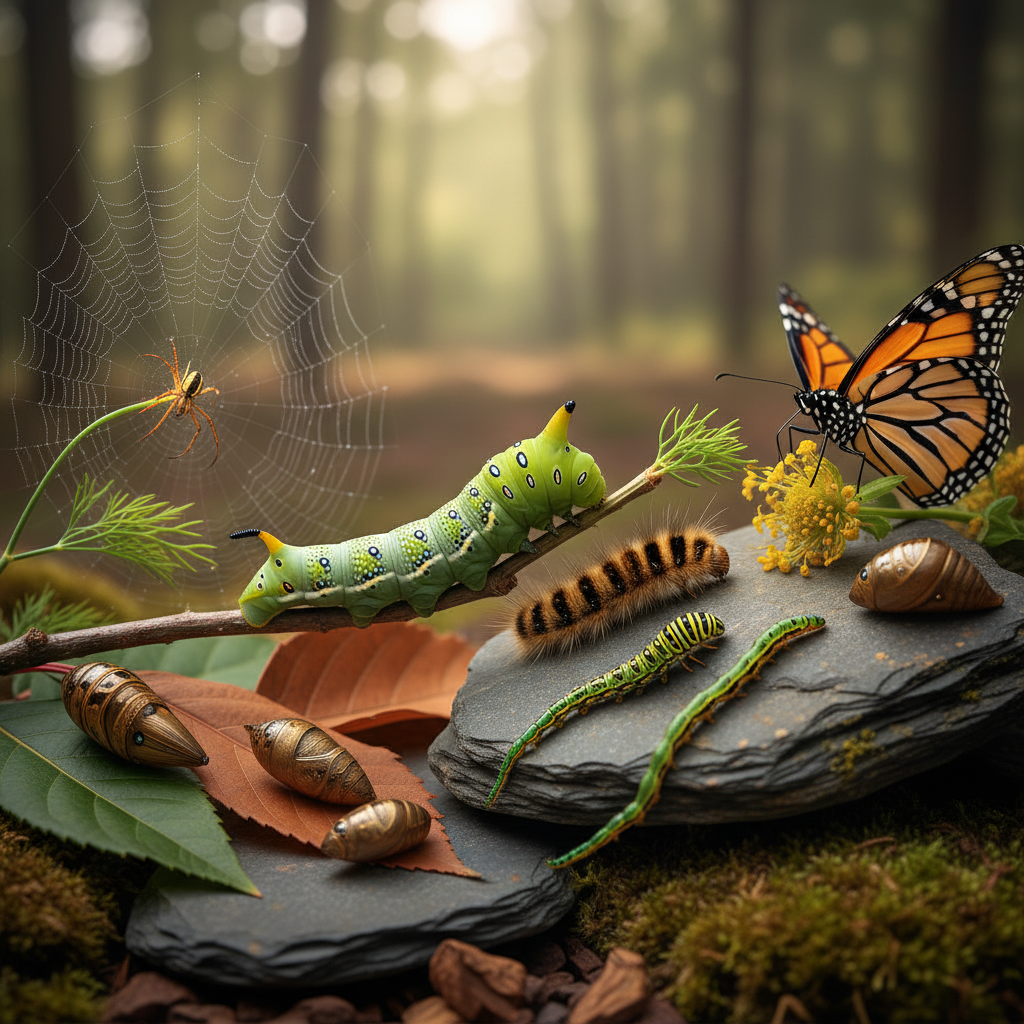
Why Caterpillar Identification Matters
Understanding caterpillar identification importance requires careful observation of multiple morphological features that entomologists evaluate systematically. Each identification attempt builds pattern recognition skills that field guides and AI tools reinforce together. Body shape, coloration, wing venation, antennae structure, leg segments, and mouthpart type each eliminate possibilities and narrow your search. Geographic range and seasonality provide additional filters — many insects occur only in specific regions during particular months. Habitat context matters enormously: soil-dwelling species differ from canopy specialists, and aquatic insects look nothing like their terrestrial relatives. When combined with modern AI tools like Insect Identifier, these traditional observation skills create a comprehensive identification workflow that serves you in the garden, on the trail, and at home. Observation 1 in your identification journey strengthens the mental catalog of features that distinguish similar-looking species.
Understanding caterpillar identification importance requires careful observation of multiple morphological features that entomologists evaluate systematically. Each identification attempt builds pattern recognition skills that field guides and AI tools reinforce together. Body shape, coloration, wing venation, antennae structure, leg segments, and mouthpart type each eliminate possibilities and narrow your search. Geographic range and seasonality provide additional filters — many insects occur only in specific regions during particular months. Habitat context matters enormously: soil-dwelling species differ from canopy specialists, and aquatic insects look nothing like their terrestrial relatives. When combined with modern AI tools like Insect Identifier, these traditional observation skills create a comprehensive identification workflow that serves you in the garden, on the trail, and at home. Observation 2 in your identification journey strengthens the mental catalog of features that distinguish similar-looking species.
Understanding caterpillar identification importance requires careful observation of multiple morphological features that entomologists evaluate systematically. Each identification attempt builds pattern recognition skills that field guides and AI tools reinforce together. Body shape, coloration, wing venation, antennae structure, leg segments, and mouthpart type each eliminate possibilities and narrow your search. Geographic range and seasonality provide additional filters — many insects occur only in specific regions during particular months. Habitat context matters enormously: soil-dwelling species differ from canopy specialists, and aquatic insects look nothing like their terrestrial relatives. When combined with modern AI tools like Insect Identifier, these traditional observation skills create a comprehensive identification workflow that serves you in the garden, on the trail, and at home. Observation 3 in your identification journey strengthens the mental catalog of features that distinguish similar-looking species.
Reading a Caterpillar Identification Chart
Understanding caterpillar identification charts requires careful observation of multiple morphological features that entomologists evaluate systematically. Each identification attempt builds pattern recognition skills that field guides and AI tools reinforce together. Body shape, coloration, wing venation, antennae structure, leg segments, and mouthpart type each eliminate possibilities and narrow your search. Geographic range and seasonality provide additional filters — many insects occur only in specific regions during particular months. Habitat context matters enormously: soil-dwelling species differ from canopy specialists, and aquatic insects look nothing like their terrestrial relatives. When combined with modern AI tools like Insect Identifier, these traditional observation skills create a comprehensive identification workflow that serves you in the garden, on the trail, and at home. Observation 1 in your identification journey strengthens the mental catalog of features that distinguish similar-looking species.
Understanding caterpillar identification charts requires careful observation of multiple morphological features that entomologists evaluate systematically. Each identification attempt builds pattern recognition skills that field guides and AI tools reinforce together. Body shape, coloration, wing venation, antennae structure, leg segments, and mouthpart type each eliminate possibilities and narrow your search. Geographic range and seasonality provide additional filters — many insects occur only in specific regions during particular months. Habitat context matters enormously: soil-dwelling species differ from canopy specialists, and aquatic insects look nothing like their terrestrial relatives. When combined with modern AI tools like Insect Identifier, these traditional observation skills create a comprehensive identification workflow that serves you in the garden, on the trail, and at home. Observation 2 in your identification journey strengthens the mental catalog of features that distinguish similar-looking species.
Understanding caterpillar identification charts requires careful observation of multiple morphological features that entomologists evaluate systematically. Each identification attempt builds pattern recognition skills that field guides and AI tools reinforce together. Body shape, coloration, wing venation, antennae structure, leg segments, and mouthpart type each eliminate possibilities and narrow your search. Geographic range and seasonality provide additional filters — many insects occur only in specific regions during particular months. Habitat context matters enormously: soil-dwelling species differ from canopy specialists, and aquatic insects look nothing like their terrestrial relatives. When combined with modern AI tools like Insect Identifier, these traditional observation skills create a comprehensive identification workflow that serves you in the garden, on the trail, and at home. Observation 3 in your identification journey strengthens the mental catalog of features that distinguish similar-looking species.
Understanding caterpillar identification charts requires careful observation of multiple morphological features that entomologists evaluate systematically. Each identification attempt builds pattern recognition skills that field guides and AI tools reinforce together. Body shape, coloration, wing venation, antennae structure, leg segments, and mouthpart type each eliminate possibilities and narrow your search. Geographic range and seasonality provide additional filters — many insects occur only in specific regions during particular months. Habitat context matters enormously: soil-dwelling species differ from canopy specialists, and aquatic insects look nothing like their terrestrial relatives. When combined with modern AI tools like Insect Identifier, these traditional observation skills create a comprehensive identification workflow that serves you in the garden, on the trail, and at home. Observation 4 in your identification journey strengthens the mental catalog of features that distinguish similar-looking species.
Key Features for Identifying Caterpillars
Understanding caterpillar morphological features requires careful observation of multiple morphological features that entomologists evaluate systematically. Each identification attempt builds pattern recognition skills that field guides and AI tools reinforce together. Body shape, coloration, wing venation, antennae structure, leg segments, and mouthpart type each eliminate possibilities and narrow your search. Geographic range and seasonality provide additional filters — many insects occur only in specific regions during particular months. Habitat context matters enormously: soil-dwelling species differ from canopy specialists, and aquatic insects look nothing like their terrestrial relatives. When combined with modern AI tools like Insect Identifier, these traditional observation skills create a comprehensive identification workflow that serves you in the garden, on the trail, and at home. Observation 1 in your identification journey strengthens the mental catalog of features that distinguish similar-looking species.
Understanding caterpillar morphological features requires careful observation of multiple morphological features that entomologists evaluate systematically. Each identification attempt builds pattern recognition skills that field guides and AI tools reinforce together. Body shape, coloration, wing venation, antennae structure, leg segments, and mouthpart type each eliminate possibilities and narrow your search. Geographic range and seasonality provide additional filters — many insects occur only in specific regions during particular months. Habitat context matters enormously: soil-dwelling species differ from canopy specialists, and aquatic insects look nothing like their terrestrial relatives. When combined with modern AI tools like Insect Identifier, these traditional observation skills create a comprehensive identification workflow that serves you in the garden, on the trail, and at home. Observation 2 in your identification journey strengthens the mental catalog of features that distinguish similar-looking species.
Understanding caterpillar morphological features requires careful observation of multiple morphological features that entomologists evaluate systematically. Each identification attempt builds pattern recognition skills that field guides and AI tools reinforce together. Body shape, coloration, wing venation, antennae structure, leg segments, and mouthpart type each eliminate possibilities and narrow your search. Geographic range and seasonality provide additional filters — many insects occur only in specific regions during particular months. Habitat context matters enormously: soil-dwelling species differ from canopy specialists, and aquatic insects look nothing like their terrestrial relatives. When combined with modern AI tools like Insect Identifier, these traditional observation skills create a comprehensive identification workflow that serves you in the garden, on the trail, and at home. Observation 3 in your identification journey strengthens the mental catalog of features that distinguish similar-looking species.
Understanding caterpillar morphological features requires careful observation of multiple morphological features that entomologists evaluate systematically. Each identification attempt builds pattern recognition skills that field guides and AI tools reinforce together. Body shape, coloration, wing venation, antennae structure, leg segments, and mouthpart type each eliminate possibilities and narrow your search. Geographic range and seasonality provide additional filters — many insects occur only in specific regions during particular months. Habitat context matters enormously: soil-dwelling species differ from canopy specialists, and aquatic insects look nothing like their terrestrial relatives. When combined with modern AI tools like Insect Identifier, these traditional observation skills create a comprehensive identification workflow that serves you in the garden, on the trail, and at home. Observation 4 in your identification journey strengthens the mental catalog of features that distinguish similar-looking species.
Common Caterpillars in Gardens
Understanding common garden caterpillars requires careful observation of multiple morphological features that entomologists evaluate systematically. Each identification attempt builds pattern recognition skills that field guides and AI tools reinforce together. Body shape, coloration, wing venation, antennae structure, leg segments, and mouthpart type each eliminate possibilities and narrow your search. Geographic range and seasonality provide additional filters — many insects occur only in specific regions during particular months. Habitat context matters enormously: soil-dwelling species differ from canopy specialists, and aquatic insects look nothing like their terrestrial relatives. When combined with modern AI tools like Insect Identifier, these traditional observation skills create a comprehensive identification workflow that serves you in the garden, on the trail, and at home. Observation 1 in your identification journey strengthens the mental catalog of features that distinguish similar-looking species.
Understanding common garden caterpillars requires careful observation of multiple morphological features that entomologists evaluate systematically. Each identification attempt builds pattern recognition skills that field guides and AI tools reinforce together. Body shape, coloration, wing venation, antennae structure, leg segments, and mouthpart type each eliminate possibilities and narrow your search. Geographic range and seasonality provide additional filters — many insects occur only in specific regions during particular months. Habitat context matters enormously: soil-dwelling species differ from canopy specialists, and aquatic insects look nothing like their terrestrial relatives. When combined with modern AI tools like Insect Identifier, these traditional observation skills create a comprehensive identification workflow that serves you in the garden, on the trail, and at home. Observation 2 in your identification journey strengthens the mental catalog of features that distinguish similar-looking species.
Understanding common garden caterpillars requires careful observation of multiple morphological features that entomologists evaluate systematically. Each identification attempt builds pattern recognition skills that field guides and AI tools reinforce together. Body shape, coloration, wing venation, antennae structure, leg segments, and mouthpart type each eliminate possibilities and narrow your search. Geographic range and seasonality provide additional filters — many insects occur only in specific regions during particular months. Habitat context matters enormously: soil-dwelling species differ from canopy specialists, and aquatic insects look nothing like their terrestrial relatives. When combined with modern AI tools like Insect Identifier, these traditional observation skills create a comprehensive identification workflow that serves you in the garden, on the trail, and at home. Observation 3 in your identification journey strengthens the mental catalog of features that distinguish similar-looking species.
Understanding common garden caterpillars requires careful observation of multiple morphological features that entomologists evaluate systematically. Each identification attempt builds pattern recognition skills that field guides and AI tools reinforce together. Body shape, coloration, wing venation, antennae structure, leg segments, and mouthpart type each eliminate possibilities and narrow your search. Geographic range and seasonality provide additional filters — many insects occur only in specific regions during particular months. Habitat context matters enormously: soil-dwelling species differ from canopy specialists, and aquatic insects look nothing like their terrestrial relatives. When combined with modern AI tools like Insect Identifier, these traditional observation skills create a comprehensive identification workflow that serves you in the garden, on the trail, and at home. Observation 4 in your identification journey strengthens the mental catalog of features that distinguish similar-looking species.
Hairy and Stinging Caterpillars to Avoid
Understanding venomous caterpillar identification requires careful observation of multiple morphological features that entomologists evaluate systematically. Each identification attempt builds pattern recognition skills that field guides and AI tools reinforce together. Body shape, coloration, wing venation, antennae structure, leg segments, and mouthpart type each eliminate possibilities and narrow your search. Geographic range and seasonality provide additional filters — many insects occur only in specific regions during particular months. Habitat context matters enormously: soil-dwelling species differ from canopy specialists, and aquatic insects look nothing like their terrestrial relatives. When combined with modern AI tools like Insect Identifier, these traditional observation skills create a comprehensive identification workflow that serves you in the garden, on the trail, and at home. Observation 1 in your identification journey strengthens the mental catalog of features that distinguish similar-looking species.
Understanding venomous caterpillar identification requires careful observation of multiple morphological features that entomologists evaluate systematically. Each identification attempt builds pattern recognition skills that field guides and AI tools reinforce together. Body shape, coloration, wing venation, antennae structure, leg segments, and mouthpart type each eliminate possibilities and narrow your search. Geographic range and seasonality provide additional filters — many insects occur only in specific regions during particular months. Habitat context matters enormously: soil-dwelling species differ from canopy specialists, and aquatic insects look nothing like their terrestrial relatives. When combined with modern AI tools like Insect Identifier, these traditional observation skills create a comprehensive identification workflow that serves you in the garden, on the trail, and at home. Observation 2 in your identification journey strengthens the mental catalog of features that distinguish similar-looking species.
Understanding venomous caterpillar identification requires careful observation of multiple morphological features that entomologists evaluate systematically. Each identification attempt builds pattern recognition skills that field guides and AI tools reinforce together. Body shape, coloration, wing venation, antennae structure, leg segments, and mouthpart type each eliminate possibilities and narrow your search. Geographic range and seasonality provide additional filters — many insects occur only in specific regions during particular months. Habitat context matters enormously: soil-dwelling species differ from canopy specialists, and aquatic insects look nothing like their terrestrial relatives. When combined with modern AI tools like Insect Identifier, these traditional observation skills create a comprehensive identification workflow that serves you in the garden, on the trail, and at home. Observation 3 in your identification journey strengthens the mental catalog of features that distinguish similar-looking species.
Understanding venomous caterpillar identification requires careful observation of multiple morphological features that entomologists evaluate systematically. Each identification attempt builds pattern recognition skills that field guides and AI tools reinforce together. Body shape, coloration, wing venation, antennae structure, leg segments, and mouthpart type each eliminate possibilities and narrow your search. Geographic range and seasonality provide additional filters — many insects occur only in specific regions during particular months. Habitat context matters enormously: soil-dwelling species differ from canopy specialists, and aquatic insects look nothing like their terrestrial relatives. When combined with modern AI tools like Insect Identifier, these traditional observation skills create a comprehensive identification workflow that serves you in the garden, on the trail, and at home. Observation 4 in your identification journey strengthens the mental catalog of features that distinguish similar-looking species.
Digital Tools vs Paper Charts
Understanding digital caterpillar identification requires careful observation of multiple morphological features that entomologists evaluate systematically. Each identification attempt builds pattern recognition skills that field guides and AI tools reinforce together. Body shape, coloration, wing venation, antennae structure, leg segments, and mouthpart type each eliminate possibilities and narrow your search. Geographic range and seasonality provide additional filters — many insects occur only in specific regions during particular months. Habitat context matters enormously: soil-dwelling species differ from canopy specialists, and aquatic insects look nothing like their terrestrial relatives. When combined with modern AI tools like Insect Identifier, these traditional observation skills create a comprehensive identification workflow that serves you in the garden, on the trail, and at home. Observation 1 in your identification journey strengthens the mental catalog of features that distinguish similar-looking species.
Understanding digital caterpillar identification requires careful observation of multiple morphological features that entomologists evaluate systematically. Each identification attempt builds pattern recognition skills that field guides and AI tools reinforce together. Body shape, coloration, wing venation, antennae structure, leg segments, and mouthpart type each eliminate possibilities and narrow your search. Geographic range and seasonality provide additional filters — many insects occur only in specific regions during particular months. Habitat context matters enormously: soil-dwelling species differ from canopy specialists, and aquatic insects look nothing like their terrestrial relatives. When combined with modern AI tools like Insect Identifier, these traditional observation skills create a comprehensive identification workflow that serves you in the garden, on the trail, and at home. Observation 2 in your identification journey strengthens the mental catalog of features that distinguish similar-looking species.
Understanding digital caterpillar identification requires careful observation of multiple morphological features that entomologists evaluate systematically. Each identification attempt builds pattern recognition skills that field guides and AI tools reinforce together. Body shape, coloration, wing venation, antennae structure, leg segments, and mouthpart type each eliminate possibilities and narrow your search. Geographic range and seasonality provide additional filters — many insects occur only in specific regions during particular months. Habitat context matters enormously: soil-dwelling species differ from canopy specialists, and aquatic insects look nothing like their terrestrial relatives. When combined with modern AI tools like Insect Identifier, these traditional observation skills create a comprehensive identification workflow that serves you in the garden, on the trail, and at home. Observation 3 in your identification journey strengthens the mental catalog of features that distinguish similar-looking species.
Frequently Asked Questions
How do I use a caterpillar identification chart?
Match your caterpillar's size, color, hair density, and host plant against chart entries. Digital apps like Insect Identifier provide faster matches from photos.
Are hairy caterpillars dangerous?
Some hairy caterpillars like puss caterpillars and saddlebacks have venomous spines causing painful stings. Never touch unfamiliar hairy caterpillars.
What caterpillar will this become?
Caterpillar identification reveals the adult butterfly or moth species. Apps and field guides show both larval and adult stages for complete life cycle context.
Can I identify caterpillars from photos?
Yes. AI apps analyze color patterns, body shape, prolegs, and horn structures to suggest species matches from clear caterpillar photographs.
Which caterpillars damage garden plants?
Tomato hornworms, cabbage loopers, and squash vine borers are common pest caterpillars. Identification helps target treatment while sparing beneficial larvae.
Download Insect Identifier Today
Whether you are curious about a backyard visitor or need to identify a pest quickly, Insect Identifier puts expert-level arthropod identification in your pocket. Simply snap a photo of any insect, spider, butterfly, or bug and receive detailed species information within seconds.
The app covers thousands of species with habitat notes, behavior details, safety information, and identification history you can export as PDF. Save every discovery and build your personal field journal.
Download Insect Identifier on the App Store and start identifying the insects around you today.