
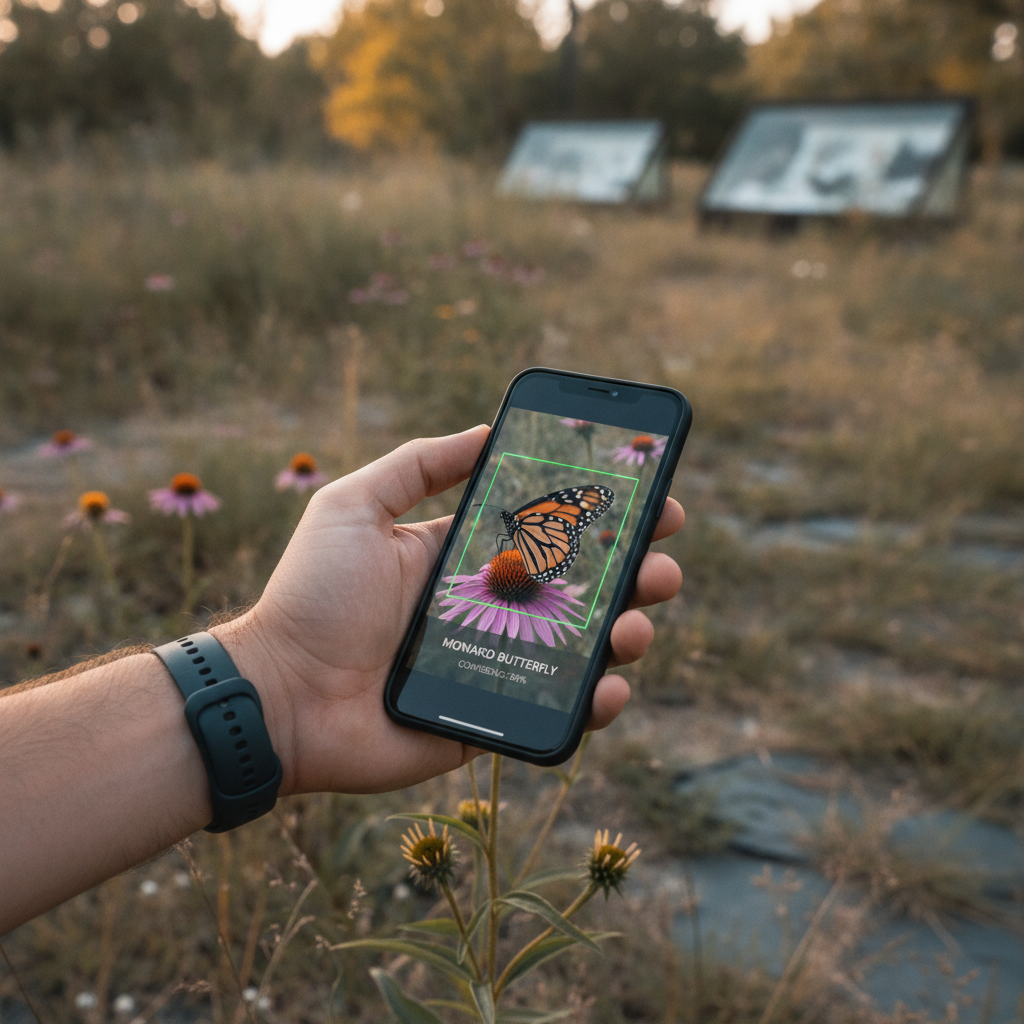
When Homeowners Need to Identify a Bug By Photo
In twenty years of pest management consulting, the phone call always starts the same way: "I found a bug and I need to know what it is." Sometimes the caller describes a creature that sounds like a serious infestation. Sometimes it is a harmless ground beetle that wandered indoors. The difference between a $500 treatment plan and "open the window and let it out" often comes down to identification — and increasingly, that identification starts with a photograph.
Learning to identify a bug by photo is one of the most practical skills a homeowner can develop. You do not need to become an entomologist. You need a clear image, a structured approach, and the judgment to know when a photo is enough versus when you need a professional inspection. This guide reflects what I teach clients every week: how to photograph household insects accurately, how to distinguish pests that require intervention from beneficial or harmless species, and how to use photo identification tools without making costly mistakes based on shaky guesses.
Photo identification will not replace a thorough inspection for active infestations. It will not find bed bugs hidden in mattress seams or termites inside wall voids. But it excels at answering the immediate question — "What is this thing on my counter?" — and that answer directs your next step with confidence.
Step-by-Step Photo Capture for Home Pest Situations
The biggest barrier to identifying a bug by photo is not technology. It is image quality. Homeowners rush, use flash, and send blurry images from too far away. Follow this protocol before opening any identification app.
First, do not kill the insect immediately if it is safe to observe. A live insect photographed from multiple angles provides more information than a smeared specimen on a paper towel. If the insect is on a wall or floor, approach slowly and block its escape path with a glass if needed.
Second, use natural light when possible. Open curtains or move near a window. Kitchen overhead lighting creates yellow color casts that confuse identification of brown insects like cockroaches and bed bugs. Turn off flash — it washes out detail on shiny beetles and creates harsh shadows.
Third, take at least three photographs. One from directly above showing the overall body shape and color pattern. One from the side showing legs, antennae, and body thickness. One close-up of the head region if the insect is large enough. Place a coin or ruler beside the insect for scale without touching it.
Fourth, note context before you forget. Write down where you found it — kitchen, bathroom, bedroom, garage — and what time of day. Note whether you have seen one insect or many. Context matters as much as the photograph when distinguishing occasional invaders from established infestations.
Fifth, if the insect is fast or flying, photograph it where it lands rather than chasing it. Porch lights attract moths and beetles that settle on walls. Drain flies hover near sinks. Pantry moths rest on cabinets. Patience produces better images than swatting.
Using Photo ID to Separate Pests from Harmless Visitors
Not every insect in your home is a pest. Misidentification drives unnecessary chemical treatments, wasted money, and ecological harm when beneficial insects are killed out of fear. When you identify a bug by photo, ask two questions after getting a species suggestion: does this insect breed indoors, and does it cause damage or health risk?
Occasional invaders enter homes by accident and do not establish breeding populations. Ground beetles, sowbugs, crane flies, and many spiders fall into this category. A single photograph showing a large black beetle near a door in autumn likely indicates an outdoor species seeking shelter, not an infestation requiring treatment. The appropriate response is exclusion — sealing cracks, installing door sweeps — not spraying baseboards.
True household pests reproduce inside the structure and require targeted intervention. German cockroaches in kitchens, bed bugs in bedrooms, carpet beetles in closets, and pantry moths in stored food all leave signs beyond a single sighting. Photo identification of one specimen confirms the species, but inspection for additional life stages, fecal spots, shed skins, and damage determines whether you have a lone wanderer or an active population.
Wood-destroying insects demand particular care. A photograph of a winged ant-like insect on a windowsill in spring could be a swarming termite or a harmless flying ant. Winged reproductives of both groups appear similar in casual photos. Examine the waist — termites have broad waists without constriction; ants have pinched waists. Termite wings are equal length; ant hindwings are shorter. If photo identification suggests termite, schedule a professional inspection immediately regardless of how many insects you see.
Beneficial insects indoors — lady beetles seeking overwintering sites, parasitic wasps that entered through open windows — should be relocated rather than killed when possible. Photo ID helps you recognize these allies and avoid the embarrassment of treating a garden helper like a pest.
Common Household Bugs and Their Photo Signatures
Certain insects appear in homes frequently enough that learning their photo signatures saves time and anxiety.
German cockroaches are small — roughly half an inch — with tan bodies and two dark parallel stripes behind the head. Photograph the pronotum stripes from above; they are diagnostic. Found in kitchens and bathrooms near moisture and food. Multiple life stages and fecal specks confirm infestation.
Bed bugs are reddish-brown, flat, oval, and apple-seed sized. Close-up photos show lack of wings and segmented abdomens. They hide in mattress seams, box springs, and furniture joints — you may photograph one found on bedding after sleeping. One bed bug with bite marks warrants professional inspection, not just photo ID.
Carpet beetle larvae look like fuzzy caterpillars with banded coloration; adults are small round beetles with patterned elytra. Photos of larvae on clothing or adults at windowsills indicate fabric and keratin feeding. Check closets and stored woolens after identification.
Pantry moths include Indian meal moths with two-toned wings — pale gray near the body and coppery at the tips. Photograph moths near kitchens and pantries, then inspect stored grains, nuts, and pet food for webbing and larvae.
Silverfish are teardrop-shaped, silvery, and fast. They have three tail filaments visible in good side photos. Harmless to humans but indicate moisture issues. Found in bathrooms, basements, and attics.
House centipedes are unmistakable — many long legs, fast movement, one to two inches body length. They are predators of other household arthropods. Photo identification prevents unnecessary killing of a helpful hunter.
Stink bugs and boxelder bugs aggregate on exterior walls and occasionally enter homes seasonally. Shield-shaped bodies and distinctive markings identify them in photos. Exclusion and vacuuming manage them without interior pesticide applications.
When you identify a bug by photo and match it to these profiles, you can research species-specific management before calling a professional — or call one immediately when the profile indicates serious risk.
When Photo Identification Is Not Enough
I encourage photo identification as a first step, but I am honest about its limits. Some situations require professional inspection regardless of how good your photograph is.
Call a licensed pest management professional when photo ID suggests termites, bed bugs, or wood-boring beetles in structural lumber. These pests cause damage that visual identification of a single insect cannot assess. An inspector evaluates extent, entry points, and treatment scope.
Seek professional help when you photograph one species but signs suggest others. A single cockroach photo in a kitchen with no other evidence may indicate an isolated invader. Cockroach feces, egg cases, and multiple life stages indicate established populations requiring integrated treatment beyond identification.
Medical concerns override photo ID entirely. If someone was bitten or stung and is experiencing allergic symptoms, seek medical care first. Photograph the insect if possible for later identification, but do not delay treatment for entomological curiosity.
Hidden infestations by definition cannot be photographed until found. If you have bite marks, fabric damage, or unexplained debris but no visible insects, inspection tools — traps, monitoring devices, professional searches — matter more than photographing random bugs elsewhere in the home.
Finally, when photo identification returns ambiguous results — multiple similar species at low confidence — do not guess. Capture the specimen in a container if safe, photograph it again with better lighting, and consult a professional or extension service. Wrong identification leads to wrong treatment, and wrong treatment wastes money while the actual pest continues breeding.
Prevention After You Identify a Bug By Photo
Accurate identification enables targeted prevention instead of reactive panic. Once you identify a bug by photo and confirm whether it is a pest, occasional invader, or beneficial species, match your response to the biology.
For occasional invaders, seal entry points. Install door sweeps, repair window screens, caulk foundation cracks, and reduce exterior lighting that attracts insects to doors. No interior pesticide needed.
For moisture-associated pests like silverfish and some cockroaches, fix leaks, run dehumidifiers, and improve ventilation. Identification tells you the species; inspection tells you where moisture accumulates.
For pantry pests, discard infested food in sealed bags, clean shelves with vacuum and soap, and store replacement products in airtight containers. Photograph the moth or beetle, then photograph the infested package for your records before disposal.
For fabric pests like carpet beetles, launder or dry-clean affected clothing, vacuum closets thoroughly, and store woolens in sealed containers. Identification of larvae versus adults tells you where to focus cleaning.
For stinging insects, photograph from a safe distance and identify whether you are dealing with paper wasps, yellowjackets, or solitary species. Nest location and species determine whether coexistence is safe or professional removal is warranted.
Document every identification in a home maintenance log. Seasonal patterns emerge — boxelder bugs every October, lady beetles every November, ground beetles every spring. Predictable invaders get preventive sealing before they arrive. Unexpected species trigger closer inspection.
Frequently Asked Questions
Can I reliably identify a bug by photo with just my phone?
Yes, for many common household insects with clear photographs showing body shape, color, and size. Difficult groups like termite swarmers versus flying ants may need closer examination beyond a single photo.
Should I kill the bug before photographing it?
Photograph live insects first when safe. Multiple angles of a live specimen produce better identifications than a crushed specimen. Freeze or containerize for later photos if needed.
What is the most common photo identification mistake homeowners make?
Confusing occasional outdoor invaders with true household infestations. One ground beetle does not equal a beetle infestation requiring treatment.
When should I call a pest professional after photo ID?
Immediately for termites, bed bugs, and widespread cockroach evidence. Also when you find damage, multiple life stages, or repeated sightings after sealing entry points.
What app helps homeowners identify a bug by photo?
Insect Identifier uses AI to identify insects from photographs with species profiles and safety information. Download it free on the App Store for instant home pest and visitor identification.
Download Insect Identifier Today
The fastest way to identify a bug by photo is with a dedicated identification app in your pocket. Insect Identifier analyzes your photograph and returns species-level results with behavior notes, risk assessment, and management guidance within seconds.
Stop guessing about the insects in your home. Photograph, identify, and act with confidence — whether you are releasing a harmless visitor or calling a professional for a true pest.
Download Insect Identifier on the App Store and start identifying household bugs by photo today.