
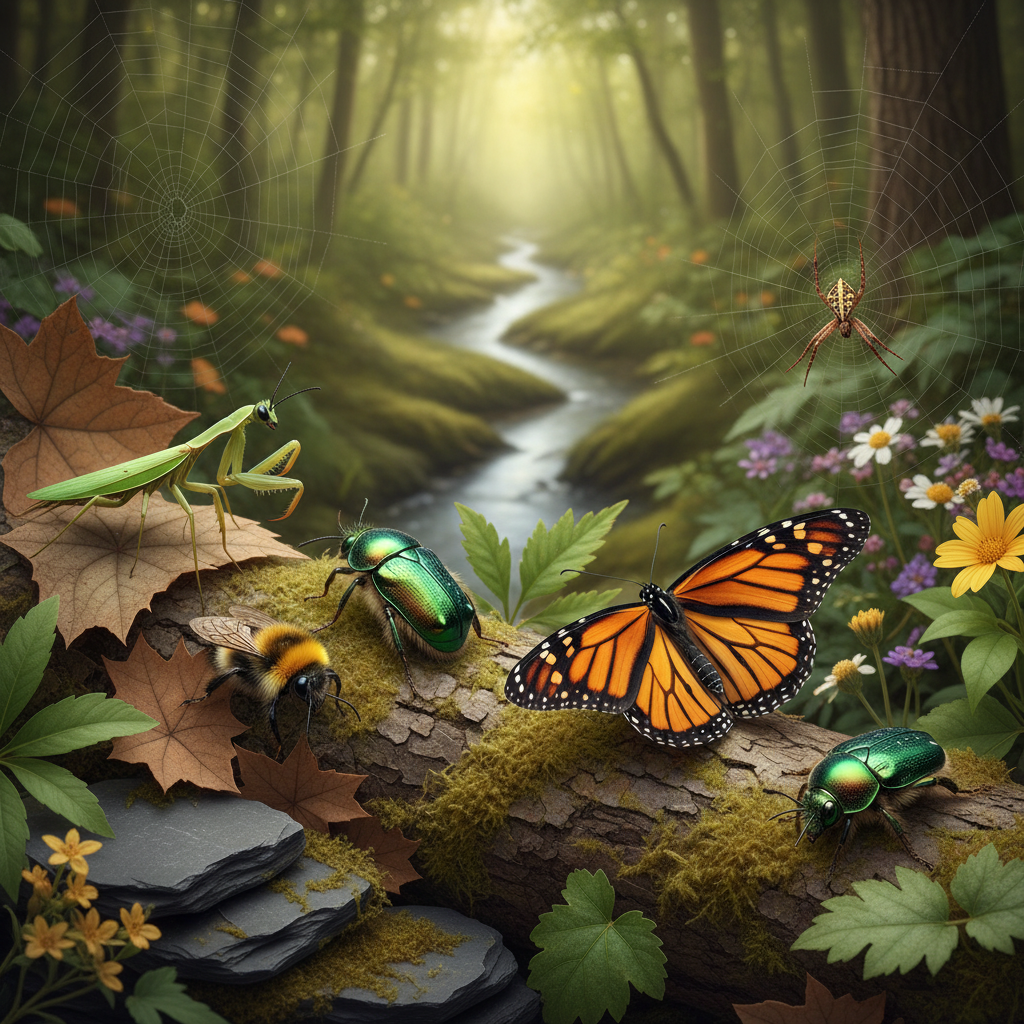
The Rise of Photo-Based Insect Identification
Understanding photo-based insect identification requires careful observation of multiple morphological features that entomologists evaluate systematically. Each identification attempt builds pattern recognition skills that field guides and AI tools reinforce together. Body shape, coloration, wing venation, antennae structure, leg segments, and mouthpart type each eliminate possibilities and narrow your search. Geographic range and seasonality provide additional filters — many insects occur only in specific regions during particular months. Habitat context matters enormously: soil-dwelling species differ from canopy specialists, and aquatic insects look nothing like their terrestrial relatives. When combined with modern AI tools like Insect Identifier, these traditional observation skills create a comprehensive identification workflow that serves you in the garden, on the trail, and at home. Observation 1 in your identification journey strengthens the mental catalog of features that distinguish similar-looking species.
Understanding photo-based insect identification requires careful observation of multiple morphological features that entomologists evaluate systematically. Each identification attempt builds pattern recognition skills that field guides and AI tools reinforce together. Body shape, coloration, wing venation, antennae structure, leg segments, and mouthpart type each eliminate possibilities and narrow your search. Geographic range and seasonality provide additional filters — many insects occur only in specific regions during particular months. Habitat context matters enormously: soil-dwelling species differ from canopy specialists, and aquatic insects look nothing like their terrestrial relatives. When combined with modern AI tools like Insect Identifier, these traditional observation skills create a comprehensive identification workflow that serves you in the garden, on the trail, and at home. Observation 2 in your identification journey strengthens the mental catalog of features that distinguish similar-looking species.
Understanding photo-based insect identification requires careful observation of multiple morphological features that entomologists evaluate systematically. Each identification attempt builds pattern recognition skills that field guides and AI tools reinforce together. Body shape, coloration, wing venation, antennae structure, leg segments, and mouthpart type each eliminate possibilities and narrow your search. Geographic range and seasonality provide additional filters — many insects occur only in specific regions during particular months. Habitat context matters enormously: soil-dwelling species differ from canopy specialists, and aquatic insects look nothing like their terrestrial relatives. When combined with modern AI tools like Insect Identifier, these traditional observation skills create a comprehensive identification workflow that serves you in the garden, on the trail, and at home. Observation 3 in your identification journey strengthens the mental catalog of features that distinguish similar-looking species.
How to Take Identification-Quality Photos
Understanding insect identification photography requires careful observation of multiple morphological features that entomologists evaluate systematically. Each identification attempt builds pattern recognition skills that field guides and AI tools reinforce together. Body shape, coloration, wing venation, antennae structure, leg segments, and mouthpart type each eliminate possibilities and narrow your search. Geographic range and seasonality provide additional filters — many insects occur only in specific regions during particular months. Habitat context matters enormously: soil-dwelling species differ from canopy specialists, and aquatic insects look nothing like their terrestrial relatives. When combined with modern AI tools like Insect Identifier, these traditional observation skills create a comprehensive identification workflow that serves you in the garden, on the trail, and at home. Observation 1 in your identification journey strengthens the mental catalog of features that distinguish similar-looking species.
Understanding insect identification photography requires careful observation of multiple morphological features that entomologists evaluate systematically. Each identification attempt builds pattern recognition skills that field guides and AI tools reinforce together. Body shape, coloration, wing venation, antennae structure, leg segments, and mouthpart type each eliminate possibilities and narrow your search. Geographic range and seasonality provide additional filters — many insects occur only in specific regions during particular months. Habitat context matters enormously: soil-dwelling species differ from canopy specialists, and aquatic insects look nothing like their terrestrial relatives. When combined with modern AI tools like Insect Identifier, these traditional observation skills create a comprehensive identification workflow that serves you in the garden, on the trail, and at home. Observation 2 in your identification journey strengthens the mental catalog of features that distinguish similar-looking species.
Understanding insect identification photography requires careful observation of multiple morphological features that entomologists evaluate systematically. Each identification attempt builds pattern recognition skills that field guides and AI tools reinforce together. Body shape, coloration, wing venation, antennae structure, leg segments, and mouthpart type each eliminate possibilities and narrow your search. Geographic range and seasonality provide additional filters — many insects occur only in specific regions during particular months. Habitat context matters enormously: soil-dwelling species differ from canopy specialists, and aquatic insects look nothing like their terrestrial relatives. When combined with modern AI tools like Insect Identifier, these traditional observation skills create a comprehensive identification workflow that serves you in the garden, on the trail, and at home. Observation 3 in your identification journey strengthens the mental catalog of features that distinguish similar-looking species.
Understanding insect identification photography requires careful observation of multiple morphological features that entomologists evaluate systematically. Each identification attempt builds pattern recognition skills that field guides and AI tools reinforce together. Body shape, coloration, wing venation, antennae structure, leg segments, and mouthpart type each eliminate possibilities and narrow your search. Geographic range and seasonality provide additional filters — many insects occur only in specific regions during particular months. Habitat context matters enormously: soil-dwelling species differ from canopy specialists, and aquatic insects look nothing like their terrestrial relatives. When combined with modern AI tools like Insect Identifier, these traditional observation skills create a comprehensive identification workflow that serves you in the garden, on the trail, and at home. Observation 4 in your identification journey strengthens the mental catalog of features that distinguish similar-looking species.
What AI Looks for in Insect Photos
Understanding AI insect photo analysis requires careful observation of multiple morphological features that entomologists evaluate systematically. Each identification attempt builds pattern recognition skills that field guides and AI tools reinforce together. Body shape, coloration, wing venation, antennae structure, leg segments, and mouthpart type each eliminate possibilities and narrow your search. Geographic range and seasonality provide additional filters — many insects occur only in specific regions during particular months. Habitat context matters enormously: soil-dwelling species differ from canopy specialists, and aquatic insects look nothing like their terrestrial relatives. When combined with modern AI tools like Insect Identifier, these traditional observation skills create a comprehensive identification workflow that serves you in the garden, on the trail, and at home. Observation 1 in your identification journey strengthens the mental catalog of features that distinguish similar-looking species.
Understanding AI insect photo analysis requires careful observation of multiple morphological features that entomologists evaluate systematically. Each identification attempt builds pattern recognition skills that field guides and AI tools reinforce together. Body shape, coloration, wing venation, antennae structure, leg segments, and mouthpart type each eliminate possibilities and narrow your search. Geographic range and seasonality provide additional filters — many insects occur only in specific regions during particular months. Habitat context matters enormously: soil-dwelling species differ from canopy specialists, and aquatic insects look nothing like their terrestrial relatives. When combined with modern AI tools like Insect Identifier, these traditional observation skills create a comprehensive identification workflow that serves you in the garden, on the trail, and at home. Observation 2 in your identification journey strengthens the mental catalog of features that distinguish similar-looking species.
Understanding AI insect photo analysis requires careful observation of multiple morphological features that entomologists evaluate systematically. Each identification attempt builds pattern recognition skills that field guides and AI tools reinforce together. Body shape, coloration, wing venation, antennae structure, leg segments, and mouthpart type each eliminate possibilities and narrow your search. Geographic range and seasonality provide additional filters — many insects occur only in specific regions during particular months. Habitat context matters enormously: soil-dwelling species differ from canopy specialists, and aquatic insects look nothing like their terrestrial relatives. When combined with modern AI tools like Insect Identifier, these traditional observation skills create a comprehensive identification workflow that serves you in the garden, on the trail, and at home. Observation 3 in your identification journey strengthens the mental catalog of features that distinguish similar-looking species.
Understanding AI insect photo analysis requires careful observation of multiple morphological features that entomologists evaluate systematically. Each identification attempt builds pattern recognition skills that field guides and AI tools reinforce together. Body shape, coloration, wing venation, antennae structure, leg segments, and mouthpart type each eliminate possibilities and narrow your search. Geographic range and seasonality provide additional filters — many insects occur only in specific regions during particular months. Habitat context matters enormously: soil-dwelling species differ from canopy specialists, and aquatic insects look nothing like their terrestrial relatives. When combined with modern AI tools like Insect Identifier, these traditional observation skills create a comprehensive identification workflow that serves you in the garden, on the trail, and at home. Observation 4 in your identification journey strengthens the mental catalog of features that distinguish similar-looking species.
Step-by-Step Photo Identification Workflow
Understanding insect photo identification workflow requires careful observation of multiple morphological features that entomologists evaluate systematically. Each identification attempt builds pattern recognition skills that field guides and AI tools reinforce together. Body shape, coloration, wing venation, antennae structure, leg segments, and mouthpart type each eliminate possibilities and narrow your search. Geographic range and seasonality provide additional filters — many insects occur only in specific regions during particular months. Habitat context matters enormously: soil-dwelling species differ from canopy specialists, and aquatic insects look nothing like their terrestrial relatives. When combined with modern AI tools like Insect Identifier, these traditional observation skills create a comprehensive identification workflow that serves you in the garden, on the trail, and at home. Observation 1 in your identification journey strengthens the mental catalog of features that distinguish similar-looking species.
Understanding insect photo identification workflow requires careful observation of multiple morphological features that entomologists evaluate systematically. Each identification attempt builds pattern recognition skills that field guides and AI tools reinforce together. Body shape, coloration, wing venation, antennae structure, leg segments, and mouthpart type each eliminate possibilities and narrow your search. Geographic range and seasonality provide additional filters — many insects occur only in specific regions during particular months. Habitat context matters enormously: soil-dwelling species differ from canopy specialists, and aquatic insects look nothing like their terrestrial relatives. When combined with modern AI tools like Insect Identifier, these traditional observation skills create a comprehensive identification workflow that serves you in the garden, on the trail, and at home. Observation 2 in your identification journey strengthens the mental catalog of features that distinguish similar-looking species.
Understanding insect photo identification workflow requires careful observation of multiple morphological features that entomologists evaluate systematically. Each identification attempt builds pattern recognition skills that field guides and AI tools reinforce together. Body shape, coloration, wing venation, antennae structure, leg segments, and mouthpart type each eliminate possibilities and narrow your search. Geographic range and seasonality provide additional filters — many insects occur only in specific regions during particular months. Habitat context matters enormously: soil-dwelling species differ from canopy specialists, and aquatic insects look nothing like their terrestrial relatives. When combined with modern AI tools like Insect Identifier, these traditional observation skills create a comprehensive identification workflow that serves you in the garden, on the trail, and at home. Observation 3 in your identification journey strengthens the mental catalog of features that distinguish similar-looking species.
Understanding insect photo identification workflow requires careful observation of multiple morphological features that entomologists evaluate systematically. Each identification attempt builds pattern recognition skills that field guides and AI tools reinforce together. Body shape, coloration, wing venation, antennae structure, leg segments, and mouthpart type each eliminate possibilities and narrow your search. Geographic range and seasonality provide additional filters — many insects occur only in specific regions during particular months. Habitat context matters enormously: soil-dwelling species differ from canopy specialists, and aquatic insects look nothing like their terrestrial relatives. When combined with modern AI tools like Insect Identifier, these traditional observation skills create a comprehensive identification workflow that serves you in the garden, on the trail, and at home. Observation 4 in your identification journey strengthens the mental catalog of features that distinguish similar-looking species.
Common Photo Identification Challenges
Understanding insect photo identification challenges requires careful observation of multiple morphological features that entomologists evaluate systematically. Each identification attempt builds pattern recognition skills that field guides and AI tools reinforce together. Body shape, coloration, wing venation, antennae structure, leg segments, and mouthpart type each eliminate possibilities and narrow your search. Geographic range and seasonality provide additional filters — many insects occur only in specific regions during particular months. Habitat context matters enormously: soil-dwelling species differ from canopy specialists, and aquatic insects look nothing like their terrestrial relatives. When combined with modern AI tools like Insect Identifier, these traditional observation skills create a comprehensive identification workflow that serves you in the garden, on the trail, and at home. Observation 1 in your identification journey strengthens the mental catalog of features that distinguish similar-looking species.
Understanding insect photo identification challenges requires careful observation of multiple morphological features that entomologists evaluate systematically. Each identification attempt builds pattern recognition skills that field guides and AI tools reinforce together. Body shape, coloration, wing venation, antennae structure, leg segments, and mouthpart type each eliminate possibilities and narrow your search. Geographic range and seasonality provide additional filters — many insects occur only in specific regions during particular months. Habitat context matters enormously: soil-dwelling species differ from canopy specialists, and aquatic insects look nothing like their terrestrial relatives. When combined with modern AI tools like Insect Identifier, these traditional observation skills create a comprehensive identification workflow that serves you in the garden, on the trail, and at home. Observation 2 in your identification journey strengthens the mental catalog of features that distinguish similar-looking species.
Understanding insect photo identification challenges requires careful observation of multiple morphological features that entomologists evaluate systematically. Each identification attempt builds pattern recognition skills that field guides and AI tools reinforce together. Body shape, coloration, wing venation, antennae structure, leg segments, and mouthpart type each eliminate possibilities and narrow your search. Geographic range and seasonality provide additional filters — many insects occur only in specific regions during particular months. Habitat context matters enormously: soil-dwelling species differ from canopy specialists, and aquatic insects look nothing like their terrestrial relatives. When combined with modern AI tools like Insect Identifier, these traditional observation skills create a comprehensive identification workflow that serves you in the garden, on the trail, and at home. Observation 3 in your identification journey strengthens the mental catalog of features that distinguish similar-looking species.
Understanding insect photo identification challenges requires careful observation of multiple morphological features that entomologists evaluate systematically. Each identification attempt builds pattern recognition skills that field guides and AI tools reinforce together. Body shape, coloration, wing venation, antennae structure, leg segments, and mouthpart type each eliminate possibilities and narrow your search. Geographic range and seasonality provide additional filters — many insects occur only in specific regions during particular months. Habitat context matters enormously: soil-dwelling species differ from canopy specialists, and aquatic insects look nothing like their terrestrial relatives. When combined with modern AI tools like Insect Identifier, these traditional observation skills create a comprehensive identification workflow that serves you in the garden, on the trail, and at home. Observation 4 in your identification journey strengthens the mental catalog of features that distinguish similar-looking species.
Verifying Your Photo Identification
Understanding verifying insect identifications requires careful observation of multiple morphological features that entomologists evaluate systematically. Each identification attempt builds pattern recognition skills that field guides and AI tools reinforce together. Body shape, coloration, wing venation, antennae structure, leg segments, and mouthpart type each eliminate possibilities and narrow your search. Geographic range and seasonality provide additional filters — many insects occur only in specific regions during particular months. Habitat context matters enormously: soil-dwelling species differ from canopy specialists, and aquatic insects look nothing like their terrestrial relatives. When combined with modern AI tools like Insect Identifier, these traditional observation skills create a comprehensive identification workflow that serves you in the garden, on the trail, and at home. Observation 1 in your identification journey strengthens the mental catalog of features that distinguish similar-looking species.
Understanding verifying insect identifications requires careful observation of multiple morphological features that entomologists evaluate systematically. Each identification attempt builds pattern recognition skills that field guides and AI tools reinforce together. Body shape, coloration, wing venation, antennae structure, leg segments, and mouthpart type each eliminate possibilities and narrow your search. Geographic range and seasonality provide additional filters — many insects occur only in specific regions during particular months. Habitat context matters enormously: soil-dwelling species differ from canopy specialists, and aquatic insects look nothing like their terrestrial relatives. When combined with modern AI tools like Insect Identifier, these traditional observation skills create a comprehensive identification workflow that serves you in the garden, on the trail, and at home. Observation 2 in your identification journey strengthens the mental catalog of features that distinguish similar-looking species.
Understanding verifying insect identifications requires careful observation of multiple morphological features that entomologists evaluate systematically. Each identification attempt builds pattern recognition skills that field guides and AI tools reinforce together. Body shape, coloration, wing venation, antennae structure, leg segments, and mouthpart type each eliminate possibilities and narrow your search. Geographic range and seasonality provide additional filters — many insects occur only in specific regions during particular months. Habitat context matters enormously: soil-dwelling species differ from canopy specialists, and aquatic insects look nothing like their terrestrial relatives. When combined with modern AI tools like Insect Identifier, these traditional observation skills create a comprehensive identification workflow that serves you in the garden, on the trail, and at home. Observation 3 in your identification journey strengthens the mental catalog of features that distinguish similar-looking species.
Frequently Asked Questions
Can I identify an insect from a single photo?
Often yes, especially with clear photos of common species. Multiple angles improve accuracy. Apps like Insect Identifier analyze single photos effectively.
What is the best angle for insect photos?
Capture dorsal (top-down) and lateral (side) views when possible. Include close-ups of distinctive features like wing patterns or antennae.
Do insect ID apps work with blurry photos?
Blur significantly reduces accuracy. Hold steady, ensure good lighting, and wait for insects to pause before photographing.
Can I identify dead insects from photos?
Yes, though live insects in natural positions often show features more clearly. Photograph both dorsal and ventral views of dead specimens.
What free app identifies insects by photo?
Insect Identifier is available free on the App Store and identifies insects, spiders, and bugs from photographs using advanced AI.
Download Insect Identifier Today
Whether you are curious about a backyard visitor or need to identify a pest quickly, Insect Identifier puts expert-level arthropod identification in your pocket. Simply snap a photo of any insect, spider, butterfly, or bug and receive detailed species information within seconds.
The app covers thousands of species with habitat notes, behavior details, safety information, and identification history you can export as PDF. Save every discovery and build your personal field journal.
Download Insect Identifier on the App Store and start identifying the insects around you today.