
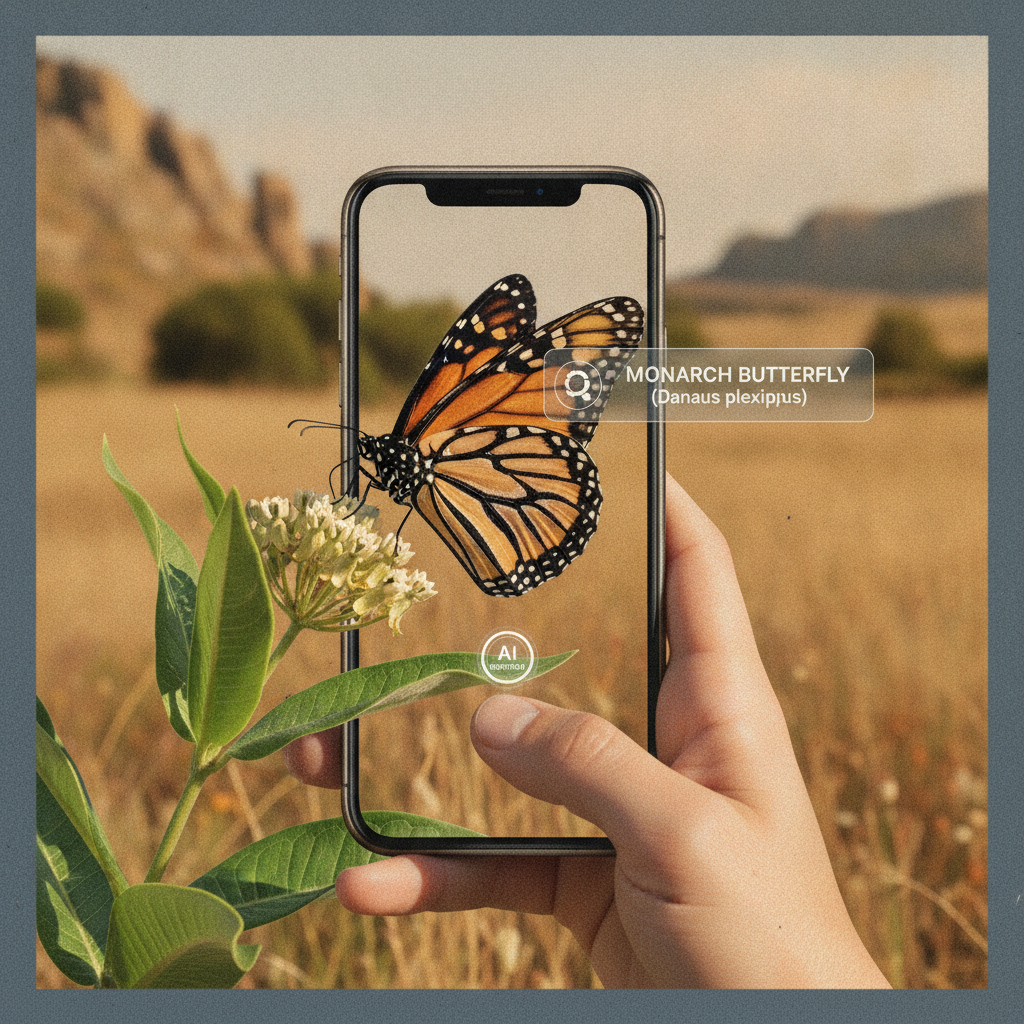
Why Homeowners Need Insect Photo Identification Skills
After two decades in pest management, I can tell you the single most expensive mistake homeowners make: treating the wrong insect. I've seen people spend thousands on termite contracts for carpenter ant damage, spray beneficial lady beetles thinking they were Asian lady beetles invading the attic, and panic about harmless crane flies convinced they were giant mosquitoes breeding in the lawn. Insect photo identification gives you the evidence you need to make smart decisions before reaching for chemicals or calling a professional.
Photo identification works because it creates a record you can verify, share with experts, and compare against future encounters. When a client calls describing "tiny brown bugs in the kitchen," my first request is always the same: send me clear photographs with something for scale. A verbal description of "small and brown" could mean drugstore beetles, cigarette beetles, flour beetles, sawtoothed grain beetles, or carpet beetle larvae — each requiring completely different treatment approaches. One good photograph eliminates hours of guesswork.
The goal of home insect photo identification is not becoming an entomologist. The goal is distinguishing three categories quickly: harmless species you can ignore, beneficial species you should protect, and genuine pest species that warrant intervention. This guide teaches you to sort household and garden insects into those categories using photographs you can take with any smartphone.
Modern identification tools make this more accessible than ever. AI-powered apps analyze photographs in seconds, extension services accept photo submissions for verification, and online communities of experienced identifiers provide free second opinions. But the photograph quality you provide determines whether these resources help or mislead you. Garbage in, garbage out applies to insect identification as much as any technical field.
Photographing Household and Garden Insects
Pest management photo identification demands practical techniques that work when you're startled by something crawling across the kitchen counter or buzzing against a window screen. You rarely have ideal conditions. These methods work anyway.
Safety first, always. Photograph from a distance before approaching. Identify stinging insects — wasps, hornets, bees, velvet ants — and venomous spiders before closing in. Use zoom rather than proximity for anything you're uncertain about. If a specimen is inside your home and you cannot photograph it safely, trap it under a clear glass, slide cardboard underneath, and photograph through the glass before deciding whether to release or collect it.
Kitchen and pantry pests are usually slow-moving and small. Place the insect on a white plate or paper towel for contrast. Use your phone's macro mode or zoom until the body fills at least one-third of the frame. Include a ruler, coin, or the edge of a credit card for scale — size separates many stored product pests that look nearly identical at casual glance.
Bathroom and drain insects are often delicate flies and beetles that crush easily. Photograph in place before attempting capture when possible. Drain flies have distinctive fuzzy wings and wedge-shaped bodies visible even in mediocre photographs. Silverfish and firebrats show characteristic three tail filaments and tapered bodies that identify them immediately in clear lateral views.
Garden insects require habitat context in your photograph or notes. A green caterpillar on tomato foliage suggests tomato hornworm. The same color caterpillar on parsley suggests black swallowtail larvae — a butterfly you want to protect. Include the plant in at least one frame. Photograph garden insects in early morning when cold temperatures slow their movement.
Structural pests — termites, carpenter ants, powderpost beetles — demand detail photography of specific features. Termite workers and swarmers have straight antennae and broad waists without constriction. Carpenter ants have elbowed antennae and pinched waists. Photograph antennae and body profile carefully because treatment costs differ by orders of magnitude between these groups.
Multiple specimens improve identification confidence. If you find one carpet beetle, look for others and photograph the group. Pattern and size variation within a population provides diagnostic clues that single specimens lack.
Sorting Insects Into Action Categories
Every insect photo identification in a home or garden context should end with a management decision, not just a name. I teach clients to sort results into four categories that drive appropriate responses.
Category one: ignore with confidence. Crane flies, most ground beetles, leafhoppers on outdoor plants, solitary wasps nesting in bare soil, and house centipedes all trigger unnecessary alarm regularly. These species either cause no harm or provide genuine benefits. Identification that places a specimen in this category saves you money, time, and unnecessary chemical exposure.
Category two: monitor but don't treat yet. A single ant trail, one carpet beetle adult, or a few fungus gnats near overwatered houseplants may not justify intervention. Photograph, identify, and watch for population increases over two weeks. Many household insect appearances are transient — outdoor species that wandered inside and will leave on their own, or seasonal influxes that resolve naturally.
Category three: targeted DIY management. Pantry moth infestations confined to one cabinet, fruit fly populations tied to forgotten produce, or a wasp nest in an unused corner of the yard often respond to focused non-chemical measures. Accurate photo identification tells you which DIY approach applies: discard infested food for pantry pests, remove breeding sources for flies, or treat the specific nest rather than broadcasting pesticides.
Category four: professional intervention warranted. Termite swarmers, bed bugs, widespread cockroach infestations, carpenter ant galleries in structural wood, and stinging insect nests in high-traffic areas require professional assessment. Photo identification that correctly categorizes these situations helps you communicate effectively with pest management professionals and avoid cowboy operators who sell unnecessary treatments.
The photograph that places an insect in the correct category is worth more than any single pesticide application. I have watched homeowners spray their entire yard for "mosquitoes" that were actually non-biting midges, achieving nothing except killing aquatic invertebrates and spending money on chemicals that did not address their actual concern.
Common Household Insects and Their Photo ID Features
These profiles cover the insects I photograph most frequently during home consultations. Learn these patterns and you will handle the majority of household encounters confidently.
German cockroach profile: Small, tan to light brown, two dark stripes on the pronotum behind the head. Fast-moving, primarily nocturnal, found in kitchens and bathrooms. Photograph the head stripe pattern — it distinguishes German cockroaches from similar brown-banded cockroaches that show banded patterns across wings rather than head stripes.
Carpet beetle profile: Small oval beetles with mottled white, brown, and orange scales, or fuzzy larvae tapered with bristle tufts. Adults near windows, larvae in dark closets and under furniture feeding on animal fibers. Larval photographs are more commonly submitted than adults and more diagnostically useful.
Bed bug profile: Flat, reddish-brown, apple-seed shaped body. Visible after feeding when abdomen is elongated and darker. Photograph on mattress seams, box spring corners, or furniture joints where they aggregate. Include surrounding fecal spotting — dark dots on fabric — in habitat photographs.
Fruit fly profile: Small tan fly with red eyes and characteristic slow hovering flight near produce, drains, and recycling bins. Photograph the red eye color and overall body shape. Distinguish from fungus gnats, which have darker bodies and associate with overwatered plants rather than kitchen produce.
Pantry moth profile: Tan wings with coppery tips, roughly half-inch wingspan. Larvae produce silk webbing in stored grains, nuts, and dried fruit. Photograph wing pattern on adults and webbing damage on food packages for combined identification and evidence of infestation extent.
Carpenter ant profile: Large black or black-and-red ants, often with golden hairs on abdomen. Workers vary in size within the same colony. Photograph the single node between thorax and abdomen, the elbowed antennae, and the overall size relative to common pavement ants for scale comparison.
Paper wasp profile: Slender body, long dangling legs in flight, nest of open hexagonal cells under eaves. Brown, reddish, or yellow and black depending on species. Photograph the nest structure and individual wasp body shape. Distinguish from yellowjackets, which have thicker bodies and enclosed nests.
When Photo Identification Is Not Enough
Honest pest management includes knowing when photographs cannot provide sufficient evidence for confident decisions. Pushing identification beyond what your images support leads to wrong treatments, wasted money, and ongoing infestations you thought you resolved.
Insufficient image quality is the most common limitation. Blurry, dark, or distant photographs of small insects frequently cannot support species-level identification even for experts. If your photos are marginal, retake them before making management decisions. Place the insect on a contrasting surface, improve lighting, and get closer with macro mode.
Hidden infestations require inspection beyond photography. Termite damage inside wall voids, bed bugs deep in furniture frames, and carpenter ant galleries behind siding cannot be identified or assessed from insect photographs alone. Photo ID of a single specimen tells you what species is present; it does not tell you how extensive the infestation is or where nesting occurs.
Specimen collection becomes necessary for certain situations. Regulatory concerns around agricultural pests, medical entomology cases involving potential disease vectors, and legal disputes with landlords or neighbors may require preserved specimens submitted to county extension offices or university diagnostic labs. Photograph first for preliminary ID, then collect and submit if the situation warrants formal documentation.
Professional inspection complements photo identification for structural pests. I regularly receive correct photo identifications of termite swarmers from homeowners who still need professional inspection to determine whether the colony is in their structure or merely swarming nearby. The photo answers "what is it?" The inspection answers "where is it and how bad is it?"
Temporal patterns that photographs alone cannot capture matter enormously. A single ant photograph cannot distinguish a harmless foraging scout from evidence of an established colony in your wall void. Bed bug photographs document presence but not population trajectory. Track what you find over days and weeks alongside your photo records.
Integrating Photo ID Into Your Pest Management Plan
Insect photo identification delivers maximum value when it connects to a broader integrated pest management approach rather than serving as a one-time curiosity.
Build a home insect log. Create a simple album on your phone or a shared family folder. Date, location in the house, photograph, and identification result for each encounter. Over months, patterns emerge: seasonal ant appearances at specific entry points, recurring drain fly populations signaling a plumbing issue, or increasing carpet beetle catches indicating a forgotten wool item somewhere in storage.
Share photos before buying treatments. Post your photograph to r/whatsthisbug, submit to your county extension service, or run it through Insect Identifier before purchasing pesticides. Fifteen minutes of verification prevents buying the wrong product for your actual pest. I estimate this single habit saves my consultation clients an average of forty dollars per misidentification avoided.
Photograph before and after intervention. When you do treat a confirmed pest, document the population before treatment and monitor with follow-up photographs weekly. This evidence tells you whether your approach works or needs adjustment. Professional pest management companies document the same way — your photographs serve as quality control on any service you hire.
Teach family members the basics. Spouse and children who can photograph and roughly categorize insects reduce panic calls and unnecessary spraying. The four-category sorting system — ignore, monitor, DIY, professional — is simple enough for teenagers and prevents the common mistake of killing everything that moves.
Connect garden photo ID to plant health. Photograph insects on damaged plants alongside the damage itself. Chewed leaf margins with smooth-edged caterpillars suggest different management than skeletonized leaves with beetle adults present. The combination of plant damage pattern and insect photograph narrows identification faster than either alone.
Frequently Asked Questions
How do I identify insects from photos in my house?
Photograph the insect on a white surface with scale reference, note where you found it, and use an identification app or extension service for preliminary ID. Sort the result into ignore, monitor, DIY, or professional categories before taking action.
What is the most common insect photo identification mistake homeowners make?
Confusing harmless species with pests tops the list — crane flies mistaken for mosquitoes, ground beetles mistaken for cockroaches, and beneficial wasps mistaken for yellowjackets. Clear photographs with scale references prevent most of these errors.
Can insect photo identification tell me how bad an infestation is?
A single photograph identifies the species but not population size or nesting location. Use photo ID for species confirmation, then inspect the surrounding area or hire a professional for structural pests to assess infestation extent.
Should I kill an insect before photographing it for identification?
Photograph living insects first whenever possible. Natural posture, color, and intact features provide better identification data. If you must collect a specimen, freeze it rather than crushing it to preserve diagnostic characters.
What app is best for insect photo identification at home?
Insect Identifier analyzes photos using AI trained on verified specimens and provides species information, safety notes, and habitat details. Download it free on the App Store for quick home and garden identification.
Download Insect Identifier Today
Insect photo identification becomes your first line of defense when you have the right tool in your pocket. Insect Identifier delivers expert-level species recognition from any photograph — point your camera at a bug and get detailed results within seconds.
The app covers thousands of household, garden, and wild species with safety information, habitat notes, and identification history you can reference whenever pests appear. Build your home insect log automatically with every identification saved.
Download Insect Identifier on the App Store and start identifying the insects around you today.