
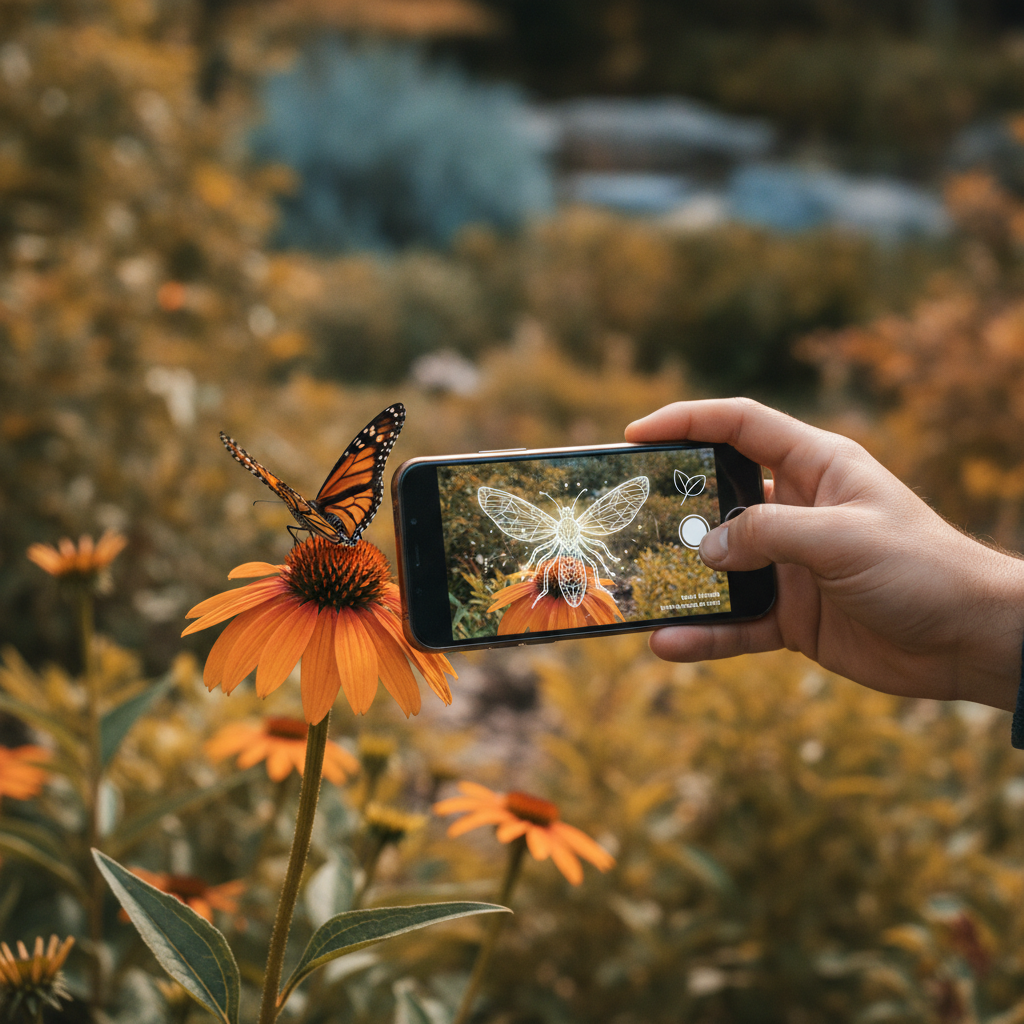
Why Everyone Should Try a Photo Bug Identifier
Twelve years of leading nature walks has taught me one consistent lesson: the moment someone successfully identifies their first insect from a photograph, they never look at the outdoors the same way again. A photo bug identifier — an app that recognizes insects from images — removes the intimidation barrier that keeps most people from engaging with the arthropods sharing their world. You do not need to memorize field guides or learn Latin names before starting. You need curiosity, a phone, and five minutes of patience.
I watch this transformation every spring on my beginner insect walks. Someone photographs an unfamiliar beetle on a trail. The app returns a name — perhaps a spotted cucumber beetle or a fiery searcher. Suddenly the anonymous bug becomes a character with a story: what it eats, where it lives, whether it helps or harms the garden. That person photographs three more insects before the walk ends. By summer, they are documenting species in their backyard and teaching neighbors what they have learned.
A photo bug identifier is a gateway tool, not a replacement for observation skills. The best outcomes happen when you combine app results with your own notes about behavior, habitat, and season. This guide teaches the field workflow I use on every walk — from your first identification session through building a personal catalog of local species that rivals any printed regional guide.
Your First Identification Session: A Field Workflow
Treat your first photo bug identifier session like a structured nature walk, even if you never leave your backyard. Preparation is minimal but intention matters.
Choose a location with insect activity. Flower beds, compost piles, porch lights, and park trails all work. Sunny mornings bring out pollinators on blossoms. Evening porch lights attract moths and beetles. After rain, soil-dwelling insects surface. Match your timing to your target — general discovery works any time insects are visibly active.
Before photographing anything, stand still for two minutes and watch. Notice movement patterns. Which insects fly? Which crawl? Which jump when disturbed? Behavioral context helps you interpret app results and builds observational habits that apps cannot replace.
When you find a subject, approach from the side slowly. Most insects tolerate observation if you avoid casting shadows directly over them. Hold your phone at the insect's level rather than photographing downward from standing height — lateral angles show body shape and legs more clearly.
Photograph using this sequence: one image from above for overall pattern, one from the side for profile and antennae, one close-up if the insect is large enough and remains still. Do not chase fleeing insects. Wait for the next opportunity.
Open your photo bug identifier app and submit your best image. Read the full species profile, not just the name. Note habitat, diet, and whether the species is native to your area. Write one observation sentence in your phone notes: "Fiery searcher ground beetle, found under log in oak woodland, moved quickly when exposed."
Repeat for three to five insects in your first session. Quality beats quantity. Three well-documented identifications teach more than twenty rushed snapshots of blurry retreating insects.
Phone Photography Tips from the Trail
You do not need professional camera equipment for effective photo bug identifier results. Modern smartphones with basic macro capability handle most common insects well when you apply a few field techniques I have refined over years of documentation.
Stability eliminates blur. Rest your phone on a rock, fence post, or your knee. Brace your elbows against your body. Use your phone's burst mode or hold the shutter gently rather than tapping sharply. Many phones activate focus by touching the screen on the insect — use that tap to focus before capturing.
Light direction shapes image quality. Side lighting from morning or late afternoon sun reveals texture on beetle elytra and caterpillar skin. Overcast conditions produce even illumination ideal for color accuracy. Avoid photographing insects in deep shade with blown-out bright background — tap to expose for the insect, or reposition.
Macro mode and digital zoom serve different purposes. True macro mode (available on many phones) captures small insects at close range with acceptable detail. Digital zoom degrades quality — physically move closer instead. For tiny insects under a quarter inch, a clip-on macro lens attachment costing less than twenty dollars dramatically improves photo bug identifier accuracy.
Background simplification helps both you and the algorithm. Gently place a leaf or piece of white paper behind an insect you have caught in a viewing container for a quick studio shot before release. On trail, wait for insects on isolated surfaces — bare soil, single flower, flat rock — rather than cluttered grass.
Respect the insect. Never handle stinging species bare-handed. Use a clear container for brief examination and release at the capture site. Do not refrigerate insects for photography — cold slows them but stresses them. The ethical field naturalist identifies and releases, leaving minimal disturbance.
Building Your Local Species Catalog
A photo bug identifier becomes exponentially more valuable when you organize discoveries into a personal catalog. I maintain a regional album for every county where I lead programs, and participants who adopt this practice report deeper engagement within weeks.
Create a dedicated album or use the app's built-in identification history. For each entry, include the photograph, species name, date, location, and one behavioral note. GPS tagging helps but manual location labels work fine — "backyard rosemary bush" is more useful than coordinates alone for remembering context.
Review your catalog monthly. Patterns emerge quickly. You will notice which species appear only in spring, which visit specific flowers, and which show up after weather changes. This phenological awareness — tracking seasonal timing — is genuine naturalist skill that apps support but cannot replace.
Set simple catalog goals to maintain motivation. Beginners might target ten species in the first month. Intermediate naturalists challenge themselves to document representatives of each major insect order — a beetle, a butterfly, a true bug, a fly, a wasp, an ant, a grasshopper. Advanced catalogers pursue family-level completeness for favorite groups.
Compare your catalog against regional checklists from extension services or iNaturalist project pages. Gaps in your list suggest exploration opportunities — you have not yet checked the stream edge, the night porch light, or the rotting stump where different fauna waits.
Share discoveries with community science platforms. Your photo bug identifier results contribute to biodiversity databases when uploaded to iNaturalist with photographs and location data. Expert reviewers confirm identifications, improving data quality and your own skills simultaneously.
Connecting Identification to Ecology
Naming an insect is the beginning of understanding, not the end. After your photo bug identifier returns a result, ask ecological questions that transform identification into natural history.
What does this species eat? Predators, herbivores, detritivores, and pollinators play different roles in ecosystem function. A ground beetle identification leads to learning about biological pest control in gardens. A bumblebee identification connects to pollination ecology and native plant gardening.
What is its life cycle? Does it undergo complete metamorphosis with larval stages that look nothing like the adult? Where do those larvae live? A photo of an adult moth means little for garden management until you learn what its caterpillar eats.
What relationships does it have with other species? Parasitoid wasps control pest populations. Ants tend aphids on garden plants. Butterflies require specific host plants for caterpillars. Identification opens doors to these interaction webs.
Is it native or introduced? Non-native species dominate many urban and agricultural landscapes. Learning which insects belong in your regional fauna helps you recognize ecological disruption — new arrivals, missing natives, population shifts tied to climate or habitat change.
Seasonal timing connects to broader environmental patterns. Documenting first appearances and last sightings each year contributes phenological data that researchers use to track climate effects. Your photo bug identifier catalog becomes a personal climate and ecology journal without requiring scientific training.
Teaching Kids and Groups with Photo ID
Photo bug identifiers excel as educational tools because they provide immediate positive feedback — the dopamine hit of a successful identification — that sustains attention in young learners and novice adults alike.
For children, frame identification as discovery rather than assessment. No quizzes on Latin names. Ask "What do you notice?" before opening the app. Let the child photograph the insect. Read the result together and find one cool fact — "This dragonfly lived underwater for two years before becoming a flying adult."
Safety rules come first in group settings. No handling without adult permission. Stay on trails. Do not disturb nests or hives. Photograph from respectful distance. Identify stinging species before approaching closely. These protocols matter more than any identification result.
For school groups and scout troops, I assign simple roles: photographer, note-taker, app operator, and release manager for captured specimens. Rotation keeps everyone engaged. End sessions by reviewing the catalog together and celebrating the most surprising discovery.
Adults in community workshops often carry decades of fear about insects. Photo identification demystifies effectively. A carpet beetle identified through the app is less terrifying than an unknown "bug in the closet." A solitary wasp identified as a mud dauber reframes the narrative from threat to beneficial predator. Knowledge reduces fear more reliably than reassurance alone.
Encourage participants to continue cataloging after organized events. The habit formed in one guided walk, sustained through a photo bug identifier on their phone, creates lifelong naturalists from casual attendees.
Frequently Asked Questions
Do I need internet access to use a photo bug identifier in the field?
Most apps require internet for AI analysis, though some cache common species offline. Download regional species packs when available and photograph insects for later identification when hiking beyond cell coverage.
What insects are hardest for photo bug identifiers to recognize?
Tiny insects under five millimeters, heavily worn specimens, immature larvae, and groups with many similar species challenge all photo identification systems. Photograph larger, fresher specimens when learning.
Can a photo bug identifier harm insects?
The app itself is harmless. Field behavior matters — avoid excessive handling, do not destroy habitat, and release captured insects promptly. Ethical photography prioritizes insect welfare.
How many species can I realistically catalog in one summer?
Beginners commonly document thirty to fifty species in a suburban yard over one active season. Dedicated naturalists catalog hundreds by exploring diverse habitats regularly.
What is the best photo bug identifier app for beginners?
Insect Identifier offers instant photo identification with beginner-friendly species profiles, safety notes, and a personal discovery journal. Download it free on the App Store.
Download Insect Identifier Today
The best photo bug identifier turns every walk into a discovery expedition. Insect Identifier recognizes insects from your photographs instantly and provides the natural history context that makes each identification memorable.
Start your catalog today. Photograph the insects in your yard, on your trail, and at your porch light — and watch your understanding of the natural world grow with every species you name.
Download Insect Identifier on the App Store and turn your phone into a photo bug identifier today.